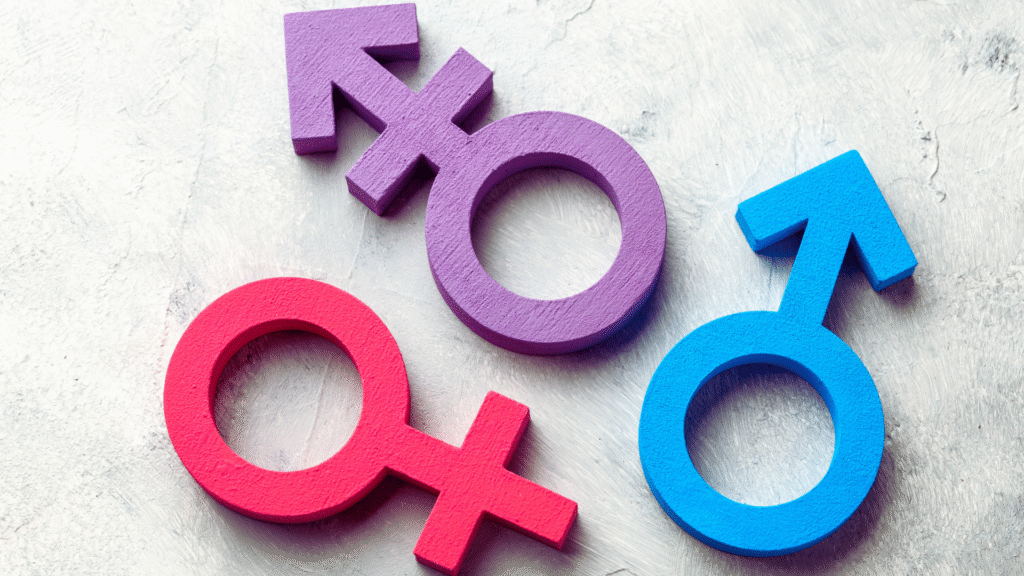
Gender identities encompass a range of personal understandings of one’s own gender, which may or may not align with the sex assigned at birth. Recognizing and respecting gender identity is crucial to promoting acceptance and equality in society. As discussions around gender have evolved, so too have the expressions and experiences associated with it, paving the way for a more inclusive understanding of gender.
People express their gender in various ways, contributing to a diverse tapestry of identities. Acceptance of these identities ensures that everyone can feel safe and valued in their authentic selves. It is essential to foster this understanding in communities, workplaces, and educational settings to promote equality for all individuals, regardless of their gender identity or expression.
Navigating the landscape of gender identity can be complex, but knowledge is empowering. By exploring these concepts, individuals can better appreciate the importance of acceptance and the need for equality in creating a supportive environment for everyone.
Conceptualizing Gender
The concept of gender encompasses various elements, including identity, expression, and societal expectations. Recognizing these distinctions is essential for understanding the complexity of gender as it exists beyond traditional binaries.
Defining Gender Identity and Expression
Gender identity refers to an individual’s internal sense of their own gender, which may be male, female, both, neither, or anywhere along the gender spectrum. This perception may align with biological sex or deviate from it. For instance, a person identified as cisgender shares alignment between their gender identity and their assigned sex at birth.
Gender expression involves how individuals present their gender to the world through behaviors, clothing, hairstyles, and even speech. This expression may not necessarily match societal expectations associated with their gender identity. Some may use terms like “genderqueer” or “nonbinary” to describe identities that do not fit into traditional male or female categories.
Understanding the Gender Spectrum
The gender spectrum recognizes that gender is not limited to two categories. Instead, it exists as a continuum with a range of identities. This framework acknowledges variations in gender experiences, allowing for more inclusive understandings beyond binary definitions.
The American Psychological Association supports this view, noting that individuals can identify anywhere along this spectrum. People may identify as transgender, which means their gender identity does not align with their sex assigned at birth. This can include a range of identities, from those who transition socially or medically to those who choose not to.
The Difference Between Sex and Gender
Biological sex refers to the physical attributes such as chromosomes, hormone levels, and reproductive/sexual anatomy. It is typically categorized as male or female at birth. Gender, on the other hand, encompasses the societal roles, behaviors, and expectations associated with being male, female, or otherwise.
Understanding this distinction is crucial as it highlights that gender is a socially constructed concept while biological sex is rooted in physical traits. Individuals may experience a disconnect between their biological sex and their gender identity, resulting in diverse gender expressions and identities.
Gender Roles and Norms
Gender roles are societal expectations dictating how individuals should behave based on their gender. These norms can be deeply ingrained, affecting personal relationships, career choices, and social interactions. Individuals often face pressure to conform to gender roles, impacting their freedom to express their true identities.
In many cultures, traditional gender roles assign specific behaviors and responsibilities. For example, femininity is often associated with nurturing roles, while masculinity may be linked to dominance or provision. Understanding these roles allows for a broader comprehension of how they influence individual experiences within society.
Diversity in Gender Identities
Gender identities encompass a wide spectrum, reflecting personal experiences and societal influences. This diversity is significant for understanding how individuals align their identities with gender expression, encompassing various labels that move beyond traditional male and female categories.
Transgender and Gender Nonconforming Identities
Transgender individuals identify with a gender different from the one assigned at birth. This category includes people who transition through social, medical, or legal means. Gender-nonconforming individuals may not identify strictly as transgender but express their gender in ways that challenge traditional norms.
Some may use terms like gender expansive or gender outlaw, reflecting their rejection of societal constraints. Comfort with body and identity varies, leading some to pursue medical transition while others may not. Understanding these identities is crucial for fostering acceptance and providing appropriate support.
Nonbinary and Genderqueer Perspectives
Nonbinary and genderqueer individuals exist outside the binary framework of male and female. They may identify as both, neither, or a combination of genders. Terms like bigender, genderfluid, and agender further illustrate this diversity, highlighting the fluidity of gender.
Individuals in these categories often seek recognition for their unique experiences. They may use pronouns such as they/them or create their own. Nonbinary identities can challenge traditional gender roles and provoke discussions about societal perceptions of gender.
More Than Male and Female: Exploring Non-traditional Genders
Beyond the binary, varied identities like androgyne, two-spirit, and pangender illustrate the rich spectrum of gender. Androgynous individuals embody traits assigned to both genders, while two-spirit is a specific term used within some Indigenous cultures to signify a unique gender identity that encompasses both masculine and feminine elements.
This exploration reveals that gender is not a fixed category but a complex interplay of identity, expression, and culture. Recognizing these identities supports greater acceptance and understanding across different communities.
Societal Interaction and Gender
Gender identities significantly shape societal interactions. These interactions influence various aspects, including the use of pronouns, inclusion policies, and the intersection with sexuality.
The Impact of Pronouns and Perceived Gender
Pronouns play a crucial role in affirming an individual’s gender identity. The use of correct pronouns contributes to feelings of acceptance and respect. Misgendering, or using incorrect pronouns, can lead to feelings of alienation, impacting mental health and social interactions.
Perceived gender is tied to societal expectations and stereotypes. Individuals often face pressure to conform to traditional gender roles, which can impact personal and professional relationships. Embracing gender-neutral language helps challenge these norms and fosters inclusivity.
Gender Inclusion in Policy and Society
Policies promoting gender inclusion are essential for advancing equality. Workplace guidelines and educational systems that acknowledge diverse gender identities encourage an environment of acceptance.
Organizations adopting gender-inclusive policies demonstrate commitment to diversity. This includes implementing practices like gender-neutral restrooms and official recognition of various identities.
When society embraces inclusivity, it can reduce discrimination against LGBTQ+ individuals. Acknowledging gender nonconformity—such as androgynous and butch identities—advocates for a broader understanding of gender.
The Intersection of Gender and Sexuality
Gender and sexuality intersect in complex ways that define identities. Understanding this connection helps to dismantle stereotypes surrounding LGBTQ+ individuals.
Sexual orientation may not align with traditional gender roles, leading to unique experiences of discrimination and acceptance. Individuals identifying as gender nonconformists often face challenges not only due to their gender but also their sexual orientation.
Embracing this intersection allows for a more nuanced perspective on equality. Acceptance of diverse identities promotes a culture that values all individuals, regardless of how they identify in terms of gender or sexuality.
Experiences of Transgender Individuals
Transgender individuals often navigate complex experiences related to their gender identity. Key aspects include transitioning, managing gender dysphoria, and seeking appropriate healthcare and support.
Transitioning and Gender Affirmation
Transitioning can involve a variety of processes that affirm one’s gender identity. This may include social transitions, such as changing names and pronouns, and physical transitions, like hormone therapy or surgery.
Individuals may identify as MTF (male to female) or FTM (female to male), with experiences varying greatly. For some, transitioning is essential for aligning their outward appearance with their identity, significantly improving mental well-being.
Support from friends, family, and communities, including LGBTQIA spaces, can play a crucial role in successful transitions. Understanding and acceptance from those around them greatly enhance the affirming experience.
Overcoming Gender Dysphoria
Gender dysphoria is a psychological condition where individuals feel distress due to a disconnect between their assigned gender and their experienced identity. Symptoms can include anxiety, depression, and discomfort in one’s body.
Combating gender dysphoria often involves various strategies. Some individuals find relief through gender-affirming hormones or surgeries, while others may choose to express their gender in different ways, such as cross-dressing or adopting certain styles.
Mental health support, including counseling, is also vital. Specialized therapists can assist in navigating emotions surrounding dysphoria, encouraging healthier coping mechanisms, and fostering self-acceptance.
Healthcare and Support for Transgender People
Access to gender-affirming healthcare is essential for many transgender individuals. This includes hormone therapy, surgeries, and routine medical care sensitized to their needs.
Healthcare providers must be knowledgeable in providing appropriate treatment and understanding the unique challenges faced by transgender patients.
Additionally, support networks, both online and in-person, can offer invaluable resources. Peer groups and organizations provide a safe space for sharing experiences and obtaining information about navigating gender healthcare, ensuring transgender individuals do not feel isolated during their journeys.