There is a moment most people recognise — that sharp, fluttering feeling just before you say something true. Before you admit you are scared, or that you care deeply, or that you have been hurt. That moment of hesitation is vulnerability knocking at the door, and how you respond to it shapes the depth of every relationship you will ever have.
Vulnerability is one of the most misunderstood concepts in modern relationships. Many people confuse it with weakness, oversharing, or emotional recklessness. In reality, it is something far more nuanced and far more powerful. It is the willingness to be seen — genuinely, honestly, and without armour — and it sits at the very heart of true intimacy.
This article explores what vulnerability really means in relationships, why it matters so profoundly, and how to practise it in ways that build connection rather than leave you feeling exposed and regretful.
What Is Vulnerability in a Relationship?
At its core, vulnerability in a relationship is the act of opening yourself up to another person emotionally — sharing your fears, desires, insecurities, and authentic feelings even when there is no guarantee of how they will be received. It is choosing honesty over performance, and connection over self-protection.
Research by Dr Brené Brown, a research professor at the University of Houston who has spent decades studying human connection, defines vulnerability as “uncertainty, risk, and emotional exposure.” Her work, which draws on thousands of interviews, consistently shows that vulnerability is not a character flaw — it is the birthplace of love, belonging, joy, and creativity.
In practical terms, vulnerability in a relationship might look like:
- Telling a partner you are afraid of being abandoned rather than acting cold or distant
- Admitting you do not have everything figured out, even when you feel pressure to appear strong
- Sharing a painful memory or past experience that still affects you
- Saying “I love you” first, without knowing if it will be reciprocated
- Expressing a need or desire that feels embarrassing or difficult to voice
- Acknowledging when you have made a mistake and asking for forgiveness
None of these things are easy. That is precisely the point. Vulnerability requires courage, and it is that courage that creates the conditions for genuine closeness.
Why Vulnerability Is So Important in Relationships
Intimacy — real intimacy, not just physical closeness or surface-level familiarity — cannot exist without vulnerability. You can spend years with another person and still feel fundamentally alone if neither of you is willing to show up authentically.
Psychologists often describe intimacy as being built across three dimensions: emotional, intellectual, and physical. While physical intimacy tends to get the most cultural attention, emotional intimacy is widely regarded as the foundation that makes everything else sustainable. And emotional intimacy requires vulnerability as its essential ingredient.
Consider what happens in relationships where vulnerability is absent. Both people present curated, edited versions of themselves. Conversations remain safe and surface-level. Conflicts are avoided rather than resolved. Over time, a quiet distance grows — not from lack of love, but from lack of genuine exposure. Partners become housemates, colleagues, co-parents. The spark dims not because attraction faded, but because the depth of knowing one another was never fully developed.
By contrast, research published in the Journal of Social and Personal Relationships has found that self-disclosure — the act of sharing personal information with another person — is one of the strongest predictors of relationship satisfaction and longevity. When people feel truly known by their partners, they report higher levels of trust, commitment, and relationship quality.
The Paradox of Vulnerability and Strength
One of the most persistent myths about vulnerability is that it signals weakness. In reality, the opposite is true. It takes considerably more courage to be emotionally honest than to hide behind stoicism or deflection.
Many people — particularly those socialised to suppress emotion — equate emotional openness with losing control or being a burden. This mindset, while understandable given various cultural and family dynamics, actively prevents the depth of connection most people quietly crave. Allowing yourself to be seen, warts and all, is an act of profound self-respect, not self-sabotage.
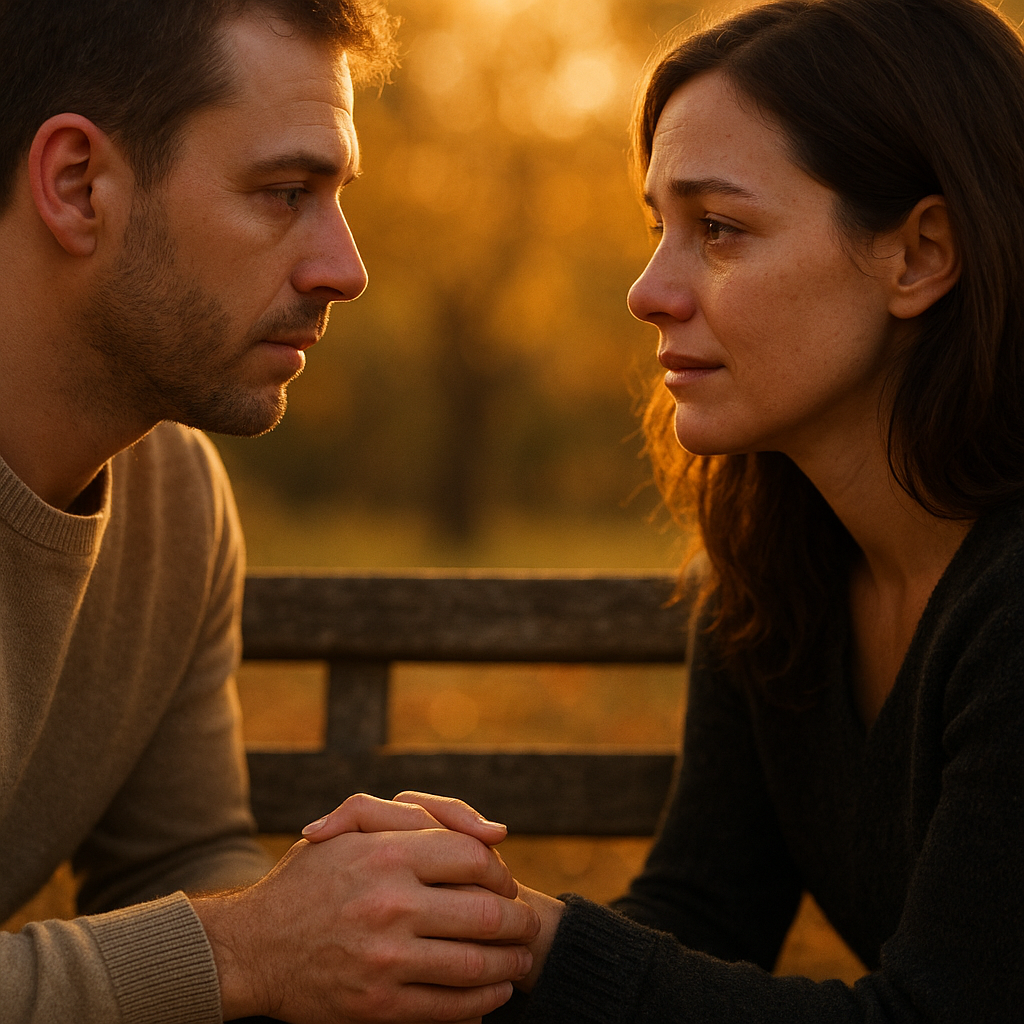
Examples of Being Vulnerable in a Relationship
Understanding vulnerability conceptually is useful, but seeing it in practice makes it tangible. Here are some realistic examples of what healthy vulnerability looks like across different relationship stages:
Early in a Relationship
- Sharing that you have been hurt in previous relationships rather than pretending a breezy indifference
- Being honest about what you are looking for, even if it feels too earnest for a first few dates
- Admitting that you are nervous or that you genuinely like the other person
In Established Partnerships
- Telling your partner when something they said or did has hurt you, rather than withdrawing
- Sharing anxieties about the future — finances, health, family — rather than managing them entirely alone
- Expressing appreciation and love explicitly and regularly, rather than assuming it is understood
- Asking for help, whether that is emotional support, physical assistance, or simply company
During Conflict
- Saying “I feel scared that we are not okay” rather than escalating the argument
- Acknowledging your own contribution to a problem, even when it is uncomfortable
- Taking a pause and saying “I need a moment to gather my thoughts” rather than saying something you will regret
What Makes Vulnerability Feel So Difficult?
If vulnerability is so beneficial, why do so many people avoid it? The answer lies in some deeply human psychological patterns.
The fear of rejection sits at the top of the list. When you reveal something true about yourself, you risk the other person responding with indifference, judgement, or rejection. For many people — particularly those with anxious attachment styles or early experiences of emotional abandonment — this risk feels catastrophic. The self-protective response is to keep the armour on.
Shame also plays a significant role. Brené Brown’s research identifies shame as the emotion most corrosive to vulnerability. Shame tells us that if people truly knew us — our failures, our fears, our hidden thoughts — they would not love us. This belief, though rarely examined directly, drives an enormous amount of emotional self-concealment.
Cultural messaging compounds the problem. Men are frequently taught that emotional expression is a form of weakness. Women are sometimes conditioned to manage others’ emotions rather than voice their own needs. These ingrained patterns make it genuinely difficult for many people to practise vulnerability even when they consciously want to.
How to Build Vulnerability Gradually and Safely
One of the most important things to understand about vulnerability is that it does not mean dumping every raw, unprocessed emotion on another person at once. Healthy vulnerability is gradual, reciprocal, and proportionate to the level of trust that has been established.
Start Small
You do not have to reveal your deepest wounds on the first occasion. Begin with smaller honest moments — admitting that a particular situation makes you anxious, or sharing something you find genuinely meaningful. Pay attention to how the other person responds. Do they reciprocate? Do they handle your openness with care? These early exchanges give you information about whether deeper vulnerability is safe in this particular relationship.
Practise Self-Awareness First
It is difficult to be vulnerable with others if you are not in touch with your own inner life. Building a habit of checking in with yourself — through journalling, therapy, meditation, or simply quiet reflection — helps you identify what you actually feel, which is a necessary first step to being able to share it.
Create the Right Environment
Timing and setting matter. Vulnerable conversations rarely go well when one or both people are exhausted, hungry, distracted, or mid-conflict. Choose moments of relative calm, when both of you have the emotional bandwidth to be present. Put phones away. Create space for the conversation to breathe.
Use “I” Language
Framing vulnerability in terms of your own experience rather than the other person’s behaviour reduces defensiveness and keeps the focus on connection. “I feel lonely when we spend a lot of time apart” is more likely to open a conversation than “You never make time for me.”
Respect Reciprocity
Healthy vulnerability is not a one-way outpouring. A relationship where one person consistently shares and the other consistently withholds becomes unbalanced and often painful. Genuine intimacy develops when both people gradually move towards greater openness over time. If you notice a persistent imbalance, that is important information about the relationship’s dynamics.
Vulnerability and Trust: A Circular Relationship
Vulnerability and trust have an interesting, almost circular relationship. To be vulnerable, you need a degree of trust. And yet, trust is largely built through acts of vulnerability. So which comes first?

In practice, trust is built in small increments through consistent, repeated experiences of being met with care when you take emotional risks. Each time you share something honest and it is received well, the trust deepens. Each time that trust deepens, more significant vulnerability becomes possible. Over time, this cycle creates the kind of relationship where both people feel genuinely safe — not because life is risk-free, but because the bond itself has been proven through experience.
This is also why trust that has been broken is so painful. It disrupts the very cycle that allows intimacy to flourish, and rebuilding it requires a painstaking return to small, careful acts of openness on both sides.
Signs That Vulnerability Is Being Misused
It is worth noting that not all emotional openness is healthy or appropriate. Vulnerability can be misused — either by the person sharing or the person receiving.
Trauma dumping, for instance, involves sharing overwhelming amounts of painful emotional content in ways that burden rather than connect. It is different from vulnerability in that it tends to be unprocessed, excessive, and often leaves the listener feeling overwhelmed or responsible for the other person’s emotional state.
Similarly, some people use apparent vulnerability as a manipulation tool — sharing just enough to gain sympathy or compliance, without genuine openness. True vulnerability is honest and offered freely; it does not come with strings attached or a hidden agenda.
On the receiving end, a partner who consistently dismisses, mocks, or weaponises your vulnerable disclosures in future arguments is not a safe person to be vulnerable with. Recognising this is not a failure of vulnerability as a concept — it is important information about the safety of that specific relationship. This awareness becomes especially significant during major moments of personal honesty, such as when sharing your truth with loved ones for the first time.
Conclusion
Vulnerability is not about stripping yourself bare in front of anyone who will listen. It is a considered, courageous act of showing up honestly in the relationships that matter — of saying, in effect, here I am, truly, and trusting that it is enough.
The evidence from psychology, relationship research, and lived human experience all points to the same conclusion: the relationships most people describe as deeply meaningful are those where genuine vulnerability has been possible. Where both people have dared to be known rather than merely seen.
Building that kind of intimacy is not a single dramatic gesture. It is a series of small, brave choices — to speak honestly rather than hide, to ask for what you need, to stay present in difficult conversations, to let another person in. Over time, those choices accumulate into something rare and extraordinary: a relationship built not on performance, but on truth.
That, ultimately, is what vulnerability makes possible. And it is worth every moment of discomfort it requires to get there.