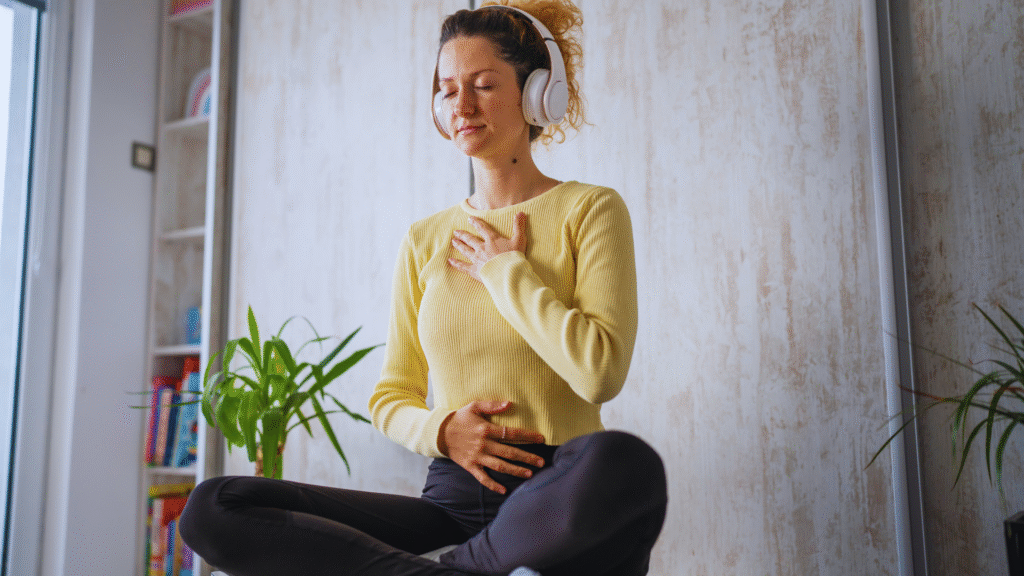
Self-love rituals are essential practices that foster self-acceptance and boost emotional well-being. These rituals can transform the way individuals view themselves, leading to increased confidence and improved self-care habits. By incorporating small, intentional acts into their daily routines, they can nurture a deeper relationship with themselves.
Many people struggle with embracing their true selves, often influenced by external pressures and expectations. Establishing self-love rituals helps break this cycle, allowing individuals to prioritize their needs and desires. Simple activities like daily affirmations, mindful meditation, and setting aside time for personal hobbies can create lasting changes in mindset and attitude.
Developing a habit of self-love not only enhances individual well-being but also positively impacts relationships with others. When people invest in self-care and build confidence, they radiate positivity and create spaces for healthy connections. Engaging in self-love rituals is an empowering journey that everyone can benefit from.
Essentials of Self-Love
Self-love encompasses various essential components that contribute to a person’s mental health and overall well-being. These elements, including understanding self-worth, cultivating compassion, and practicing mindfulness, foster a positive relationship with oneself.
Understanding Self-Worth
Self-worth forms the foundation of self-love. It involves recognizing personal value, independent of external achievements or opinions. Individuals can enhance their self-esteem by acknowledging their strengths and accomplishments.
Key Practices:
- Positive Affirmations: Regularly affirming positive traits helps combat negative self-talk.
- Recognizing Achievements: Keeping a journal of successes reinforces a sense of value.
By cultivating a strong sense of self-worth, a person builds the confidence needed to pursue happiness and fulfillment.
Compassion and Self-Compassion
Compassion, both towards oneself and others is vital for developing self-love. Self-compassion involves treating oneself with kindness during difficult times, offering support much like one would do for a friend.
Methods to Foster Self-Compassion:
- Mindful Reflection: Taking time to consider personal feelings without judgment encourages understanding.
- Forgiveness: Letting go of past mistakes leads to mental clarity and emotional healing.
Embracing self-compassion contributes significantly to emotional resilience and positive mental health.
The Role of Mindfulness
Mindfulness practice is essential in the journey of self-love. It encourages individuals to stay present and fully engage with their thoughts and emotions without criticism.
Mindfulness Techniques:
- Meditation: Regular meditation sessions help quiet the mind and foster self-awareness.
- Breathing Exercises: Simple breathing techniques can create a sense of calm and focus.
By incorporating mindfulness, a person can better manage stress and anxiety, leading to enhanced well-being and happiness.
Creating a Personal Self-Love Ritual
Establishing a personal self-love ritual involves incorporating practices that promote mindfulness and self-compassion. Key elements include daily affirmations, journaling for reflection, and a structured relaxation routine.
Daily Affirmations
Daily affirmations are powerful statements that reinforce positive beliefs about oneself. They can be tailored to individual needs and goals.
Examples include:
- “I am worthy of love and respect.”
- “I embrace my uniqueness.”
- “I release negativity and invite positivity.”
To implement them, choose a quiet moment each morning. Repeat affirmations in front of a mirror to enhance self-acceptance.
Incorporating these affirmations into a morning routine fosters a positive mindset, combating feelings of anxiety and self-doubt. Consistent practice builds self-esteem over time.
Journaling for Self-Reflection
Journaling serves as a tool for self-reflection. It allows an individual to explore thoughts and emotions in a structured way.
Setting aside time each day or week for writing can clarify feelings and foster self-discovery.
Guided prompts can enhance journaling:
- Reflect on three things they are grateful for.
- Write about daily challenges and how they overcame them.
- Note positive experiences and feelings.
By documenting these reflections, an individual can track their growth and recognize patterns in their behavior. This practice nurtures self-awareness and self-acceptance.
The Importance of a Relaxation Routine
A relaxation routine is essential for reducing stress and promoting mental well-being. This can involve techniques like meditation, deep breathing, or gentle yoga.
Implementing a relaxation ritual includes:
- Setting aside 10-20 minutes daily.
- Creating a calming environment with soft lighting and soothing music.
- Focusing on breathing to quiet the mind.
These practices help alleviate anxiety and foster a sense of inner peace. Regular engagement in relaxation techniques enhances a sense of control and self-awareness, contributing to a healthier mindset and reinforcing self-love.
Physical and Spiritual Practices
Engaging in physical and spiritual practices promotes self-love by nurturing both the body and mind. These rituals can significantly enhance well-being and foster a connection to the higher self.
Incorporating Exercise and Yoga
Regular exercise and yoga are vital practices for self-love. They improve physical health, increase body awareness, and reduce stress.
Yoga, in particular, combines physical movement, breath control, and meditation. This holistic approach fosters a deeper connection to the body and encourages self-acceptance.
Practicing yoga with intentions, such as using rose quartz crystals, can amplify feelings of love. Integrating different forms of exercise allows for variety, ensuring that one finds joy in movement, whether it be dancing, hiking, or gym workouts.
Ritual Baths and Body Care
Ritual baths offer a calming way to practice self-love. Creating a serene environment with candles and soft music can enhance relaxation.
Adding essential oils like lavender or eucalyptus promotes a soothing experience. These scents can alleviate tension and uplift mood.
Incorporating body care practices, such as massages or skincare routines, contributes to a sense of nourishment. Focusing on the sensations and textures during these rituals deepens the experience, reminding individuals to honor their bodies.
Connecting with Nature
Nature provides a powerful backdrop for self-love rituals. Spending time outdoors allows for grounding, which is essential for emotional well-being.
Walking barefoot on grass or sand connects individuals to the earth and enhances vitality. Engaging in mindful activities, such as hiking or gardening, fosters appreciation for one’s surroundings and encourages introspection.
Involving the senses, like observing a sunset or inhaling fresh air, can invoke feelings of peace. Nature acts as a mirror, reflecting one’s inner state and promoting a spiritual connection with the higher self.
Building a Supportive Environment
Creating a nurturing atmosphere is essential for self-love. A supportive environment can significantly enhance one’s ability to practice and maintain self-love rituals. This section highlights the importance of community and relationships, the need for boundaries on social media, and the effectiveness of support systems.
The Impact of Community and Relationships
Healthy relationships and a strong community provide positive energy and encouragement. Engaging in supportive environments helps individuals feel valued and understood.
Joining a Facebook group focused on self-love or wellness can connect individuals with like-minded people. This fosters a sense of belonging.
Volunteering can also strengthen community ties. Engaging in acts of kindness allows individuals to redirect their focus towards others, enhancing their self-worth in the process.
Setting Boundaries on Social Media
Social media can impact self-esteem and mental health. Setting clear boundaries is crucial to creating a restful online space.
Individuals should assess their social media feeds regularly. Unfollowing accounts that promote negativity or unrealistic standards can help.
Limiting time spent on platforms reduces exposure to harmful comparisons. Engaging only with content that uplifts and inspires enhances the experience and strengthens one’s self-love practice.
Finding and Using Support Systems
Identifying and utilizing support systems can lead to growth and healing. Seeking help from a therapist or counselor can provide tailored guidance and support.
Family and friends are also vital. Sharing feelings and experiences with supportive individuals fosters connection and understanding.
Participating in workshops or support groups offers a safe space for sharing struggles. This creates a network of understanding that reinforces self-love and personal growth.