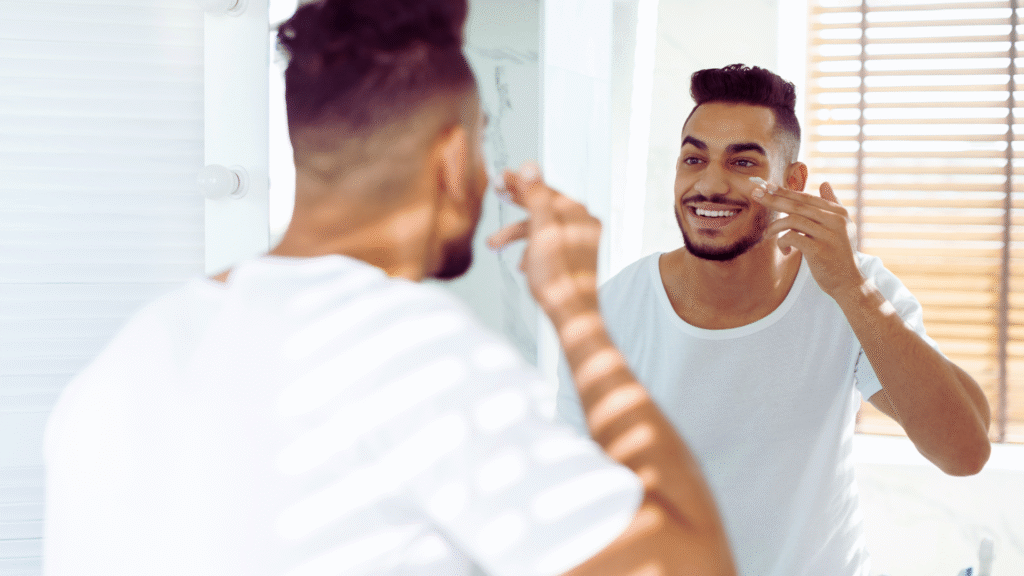
Skincare secrets are often sought after by those aiming for healthy, flawless skin. The right combination of skincare routine, products, and tips can significantly enhance one’s complexion. These secrets aren’t just tricks; they are evidence-based practices that can transform skin health.
Incorporating the appropriate skincare products tailored to individual needs is essential. Knowledge of ingredients and their effects empowers anyone to make informed choices. Consistency in a routine, along with expert skincare advice, can yield impressive results over time.
Many underestimate the impact of simple skincare tips. Effective cleansing, moisturizing, and protecting the skin from sun exposure form the foundation of any successful regimen. By implementing these strategies, individuals can unlock the secret to radiant skin.
Understanding Skin Types and Conditions
Skin types and conditions play a crucial role in determining the appropriate skincare routine. Recognizing one’s unique characteristics can lead to better choices in products and treatments.
Identifying Your Skin Type
Skin types generally fall into four categories: dry, oily, combination, and sensitive.
- Dry Skin: Characterized by rough, flaky patches and tightness. This type may result from environmental factors or genetics.
- Oily Skin: Appears shiny and is prone to acne. Excess sebum production can be influenced by hormones or lifestyle.
- Combination Skin: Exhibits traits of both dry and oily skin. Typically has an oily T-zone and dry cheeks.
- Sensitive Skin: Easily irritated by products or environmental changes. This type often exhibits redness or reactions.
Understanding these types aids in selecting suitable products tailored to individual needs.
Common Skin Conditions
Several skin conditions can affect individuals, often overlapping with skin types:
- Acne-Prone Skin: Often linked to oily skin, this condition may manifest as pimples and cysts.
- Eczema: Includes adult eczema and childhood eczema, characterized by inflamed, itchy patches.
- Rosacea: Causes redness and visible blood vessels, primarily affecting the face.
- Psoriasis: Presents as thick, red patches covered with silvery scales.
- Acanthosis Nigricans: Dark, velvety patches, indicating insulin resistance or obesity.
- Keloid Scars: Thick, raised scars that form after injury; they may grow larger than the original wound.
- Hidradenitis Suppurativa: Painful lumps similar to acne, often found in skin folds.
- Vitiligo: Loss of skin color in patches, resulting from an autoimmune response.
Each of these conditions requires specialized care to manage symptoms effectively.
Key Skincare Practices for a Radiant Complexion
To achieve a radiant complexion, certain key skincare practices need to be prioritized. These practices encompass effective cleaning, proper moisturizing, and strategic sun protection, alongside beneficial lifestyle habits.
The Art of Proper Cleansing
Cleansing is the foundation of any skincare routine. It removes dirt, oil, and impurities that can clog pores and lead to breakouts. A gentle, pH-balanced cleanser is ideal, as it effectively cleanses without stripping the skin’s natural oils.
Steps for Effective Cleansing:
- Wet Face: Use lukewarm water to moisten the face.
- Apply Cleanser: Use circular motions to apply the cleanser, focusing on areas that collect oil.
- Rinse Thoroughly: Ensure all cleanser is washed off to prevent residue buildup.
Cleansing twice daily enhances skin appearance and contributes to a healthier complexion.
Exfoliation Techniques
Exfoliation removes dead skin cells, promoting cell turnover and revealing glowing skin beneath. It can be done chemically or physically.
Types of Exfoliants:
- Physical Exfoliants: Use scrubs with small granules to manually exfoliate. It’s important to be gentle to avoid irritation.
- Chemical Exfoliants: Include AHAs (alpha-hydroxy acids) and BHAs (beta-hydroxy acids). They dissolve dead skin cells and can target specific issues like acne or age spots.
Exfoliating 1-3 times per week is generally recommended, depending on skin sensitivity and product strength.
Moisturizing Essentials
Moisturizers help to maintain skin hydration and prevent moisture loss. A good moisturizer can also create a barrier against environmental factors.
Key Ingredients to Look For:
- Hyaluronic Acid: Attracts moisture and keeps skin plump.
- Glycerin: A humectant that draws water into the skin.
- Ceramides: Help restore the skin barrier.
Applying moisturizer twice daily, after cleansing, ensures ongoing hydration and can significantly improve skin texture.
Sun Protection Factors
Protecting the skin from the sun is crucial for preventing sun damage and premature aging. Broad-spectrum sunscreen should be applied daily, even on cloudy days.
Tips for Applying Sunscreen:
- Use a broad-spectrum SPF of at least 30.
- Apply generously and evenly on all exposed skin.
- Reapply every two hours, especially after swimming or sweating.
This simple habit can prevent dark spots and other forms of sun damage.
Serums and Specialty Treatments
Serums and specialty treatments can target specific skin concerns like fine lines, dullness, or dark spots. They often contain potent ingredients like Vitamin C, retinol, or antioxidants.
Popular Serums:
- Vitamin C Serum: Brightens skin and provides antioxidant protection.
- Retinol: Boosts collagen production and decreases the appearance of fine lines.
Incorporating these treatments into a routine should be done gradually to allow the skin to adjust.
Lifestyle Habits That Benefit Your Skin
Skincare extends beyond products; lifestyle choices also play a significant role.
Key Habits to Incorporate:
- Hydration: Drinking plenty of water supports skin health.
- Quality Sleep: Adequate rest aids cell repair and reduces dark circles.
- Balanced Diet: Consuming foods rich in antioxidants can enhance the skin’s appearance.
Implementing these habits aligns with a holistic approach to achieving and maintaining a radiant complexion.
Advanced Skincare Solutions and Treatments
Advancements in skincare solutions offer various options for effective treatments. Incorporating professional advice, innovative cosmetic procedures, and digital health technologies can enhance one’s skincare regimen.
Professional Care and Dermatological Advice
Seeking guidance from a dermatologist is crucial for personalized skincare. Dermatologists can assess individual skin conditions such as acne, fine lines, and dark spots. They provide tailored advice on product selection and suitable routines.
Detecting serious issues, like skin cancer or melanoma, early is essential. A dermatologist can educate patients about skin cancer awareness, emphasizing preventative measures. Regular skin check-ups can lead to early detection and better outcomes. This professional oversight is particularly vital for individuals considering advanced treatments or those with specific concerns.
Cosmetic and Medical Treatments
Cosmetic treatments range from chemical peels to lasers, targeting specific skin issues. These procedures can effectively address concerns such as wrinkles, scarring, and uneven tone. Common options include:
- Chemical Peels: Exfoliate the upper skin layers to reveal smoother skin.
- Laser Therapy: Reduces dark spots and improves texture by targeting specific skin layers.
- Microdermabrasion: Gently exfoliates the skin, minimizing fine lines and enhancing overall appearance.
Medical treatments include FDA-approved solutions like benzoyl peroxide for acne. Hair loss treatments can also range from topical solutions to oral medications. Understanding the range of options allows individuals to make informed decisions that align with their skincare goals.
Research and Future Trends
Emerging research in dermatology is shaping future skincare treatments. Advances in biosimilars, which are biologically similar to existing approved therapies, may provide more accessible options for patients. Ongoing studies focus on novel ingredients that enhance skin elasticity and combat aging.
Additionally, research on skin microbiomes is revealing its impact on maintaining healthy skin. Tailoring products to individual skin microbiomes could lead to breakthroughs in personalized skincare. Keeping abreast of these trends allows individuals to stay informed about new and effective treatments.
Digital Health and Telemedicine in Skincare
The integration of telemedicine into skincare offers convenience and accessibility. Patients can consult dermatologists remotely, allowing for quicker assessments of skin concerns. This is especially beneficial for those in remote areas or with mobility issues.
Digital health platforms facilitate skin cancer awareness through education and self-examinations. Key features of these platforms include:
- Virtual Consultations: Easily connect with healthcare professionals for evaluations.
- Mobile Apps: Track skin changes and maintain skincare routines.
Telemedicine is redefining the avenues through which individuals can access professional treatments and advice, making skincare more inclusive and supportive.
Skincare for Specific Needs and Lifestyle Considerations
Skincare requires tailored approaches based on individual needs and lifestyle choices. Attention to specific conditions, hair types, and environmental factors is essential for achieving healthy skin and hair.
Caring for Skin of Color
Individuals with darker skin tones may have unique challenges such as increased susceptibility to hyperpigmentation, rashes, and scars. Regular exfoliation is crucial to help prevent these issues while enhancing skin texture.
Recommended Steps:
- Use gentle exfoliants like AHAs or BHAs a few times a week.
- Incorporate vitamin C serums for brightening.
- Moisturizers with shea butter or hyaluronic acid provide hydration.
Sunscreen is vital, as even darker skin can experience UV damage leading to uneven skin tone. Look for formulations that offer broad-spectrum protection.
Unique Considerations for Hair and Nail Care
Caring for black hair involves specific techniques to maintain its health and prevent breakage. Regular deep conditioning treatments can enhance moisture retention.
Tips for Hair Care:
- Avoid heat styling to prevent damage.
- Use oils like argan or coconut for scalp health.
- Consider protective hairstyles to minimize stress on hair.
Nail care is equally important. Keeping nails trimmed and moisturized helps prevent hangnails and infections. Regular manicures can also promote nail health, reducing the likelihood of nail-related issues.
Adapting Skincare in Different Climates
Climate impacts skin significantly. In humid environments, individuals might find their skin becomes oilier, necessitating lighter products.
Skincare Adjustments:
- Choose gel-based moisturizers in humid conditions.
- In dry climates, opt for creamy, emollient products to lock in moisture.
- Always use a broad-spectrum sunscreen, regardless of climate.
It’s also crucial to monitor skin sensitivities, as temperature changes can lead to rashes or itchy skin.
Skincare during Pregnancy and Breastfeeding
Pregnancy and breastfeeding bring hormonal changes that can impact skin health. Pregnant individuals may experience acne or increased sensitivity.
Key Considerations:
- Consult with a dermatologist regarding safe topical treatments.
- Products with salicylic acid should be avoided in high concentrations.
- Focus on gentle, fragrance-free cleansers and moisturizers.
Hydration is important, as it helps manage stretch marks. Breastfeeding individuals should ensure they use safe ingredients, as some can transfer through milk.