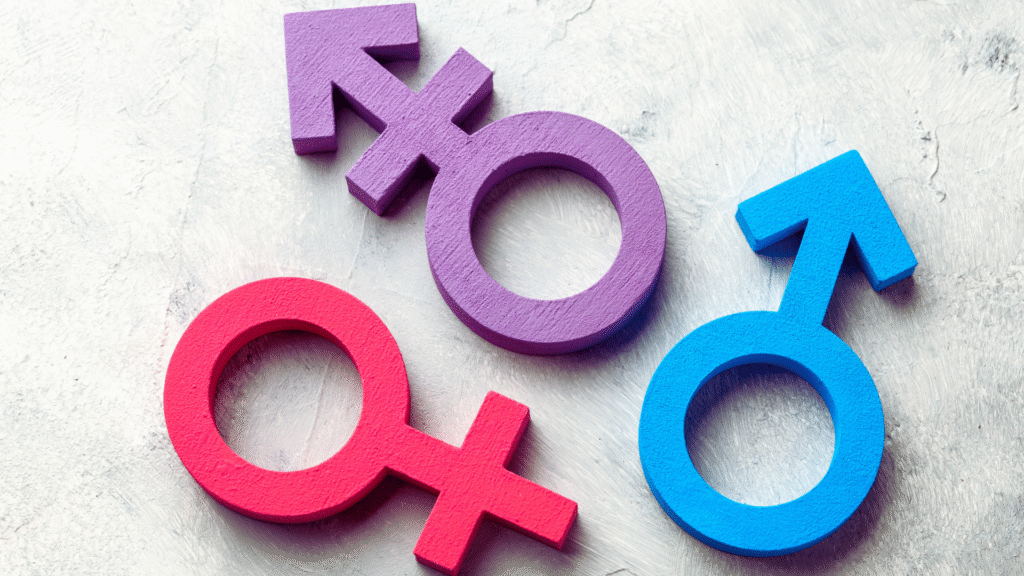
Queer history encompasses the rich and often overlooked narratives of LGBTQ+ individuals and communities throughout time. This history reveals the diverse ways in which sexual orientation and gender identity have shaped personal experiences and societal norms. Understanding this context is essential for recognizing the struggles and triumphs that have led to the current state of LGBTQ+ rights.
From ancient civilizations that celebrated same-sex love to the modern fight for marriage equality, queer history is filled with significant moments and influential figures. Many have fought against oppression, paving the way for greater acceptance and understanding in society. These stories not only highlight challenges but also celebrate resilience and solidarity within the LGBTQ+ community.
Exploring queer history encourages engagement with the complexities of identity and offers insights into the evolution of social attitudes. Knowledge of this past highlights the ongoing significance of advocacy and the importance of continuing the fight for equality. By examining these narratives, one can appreciate how far rights have come and the work still needed to achieve true acceptance.
Historical Context and Evolution
The historical context of queer identities reveals a complex interplay of sexual behaviors, societal attitudes, and legal milestones that have shaped queer lives across different epochs. This evolution demonstrates how visibility and acceptance have fluctuated over time, influenced by cultural and political factors.
Ancient Civilizations and Sexualities
Ancient civilizations exhibited diverse sexual practices that often challenged modern understandings of gender and sexuality. In Ancient Egypt, same-sex relationships existed among the elite, evidenced by depictions in art and literature. Sappho’s poetry from Ancient Greece celebrates same-sex love, showcasing the emotional depth of these relationships.
Mesolithic rock art indicates possible recognition of non-binary gender identities. Similarly, ancient cultures in China, Korea, Thailand, and Vietnam documented various expressions of sexuality, often without condemnation. Cross-dressing was not uncommon, as many cultures embraced fluid gender roles, reflecting a richer tapestry of human experience.
Emergence of Societal Attitudes
From the late Middle Ages onward, societal attitudes toward queer identities began to shift, particularly with the advent of Christianity. Homophobic sentiments grew as religious doctrines enforced strict gender norms, leading to increased persecution.
During the Enlightenment, some intellectuals began advocating for individual rights, laying the groundwork for later movements. The late 19th and early 20th centuries saw organizations like the Mattachine Society and Daughters of Bilitis emerge, advocating for lesbian and gay rights in a climate largely steeped in discrimination.
Modern Legal and Cultural Milestones
The mid-20th century marked significant developments in queer rights. The Stonewall Inn riots in 1969 catalyzed the modern LGBTQ+ rights movement, challenging existing sodomy laws and societal repression. Harvey Milk, one of the first openly gay elected officials in the U.S., inspired activism emphasizing civil rights.
Research by figures like Alfred Kinsey expanded social understanding of sexual orientation, aiding invisibility efforts. The Society for Human Rights, founded by Henry Gerber in 1924, was among the first gay rights organizations in the U.S. Legal milestones included the gradual acceptance of same-sex marriage, culminating in historical rulings such as Obergefell v. Hodges in 2015.
Key Movements and Figures
Queer history is marked by pivotal movements and influential figures who shaped the fight for LGBTQ+ rights. Understanding these elements highlights the resilience and determination of those who advocated for change.
Foundational Organizations and Activism
The Mattachine Society, founded in 1950, was one of the first gay rights organizations in the United States. It focused on advocating for LGBTQ+ rights and fostering community.
Similarly, the Daughters of Bilitis, established in 1955, was the first lesbian civil and political rights organization. It provided a support network and promoted visibility for women within the LGBTQ+ community.
The Gay Liberation Front emerged after the Stonewall riots in 1969, emphasizing radical activism. Each of these organizations laid the groundwork for future movements and events, including the National March on Washington for Lesbian and Gay Rights in 1979, which mobilized thousands to demand equality.
Pioneering Individuals’ Impact
Marsha P. Johnson and Sylvia Rivera were instrumental in the early LGBTQ+ rights movement. Their participation in the Stonewall uprising marked a turning point for visibility and activism in the community.
Harvey Milk became the first openly gay elected official in California, advocating for LGBTQ+ rights and providing a political voice.
Christine Jorgensen made headlines in the 1950s as the first American to become widely known for undergoing gender confirmation surgery.
Alfred Kinsey, through his research, challenged societal norms regarding sexuality, influencing both public opinion and academic discourse. Oscar Wilde’s literary contributions also opened discussions about sexual identity.
Historical Challenges and Resistance
LGBTQ+ individuals faced significant societal resistance, legally and socially. The Compton’s Cafeteria Riot of 1966 was one of the first known transgender uprisings in the U.S., highlighting ongoing struggles.
Additionally, the Pink Triangle became a symbol of both oppression and resilience, originally used by Nazis to identify homosexual prisoners.
Strategies like the sip-in events of the 1980s targeted discriminatory practices in bars, pushing boundaries of acceptance and rights.
These historical challenges illustrate the persistent fight for equality, setting the stage for future advancements in LGBTQ+ rights.
Cultural and Social Recognition
Cultural and social recognition of queer history has evolved significantly over time. Key symbols, influential literature, and the visibility of diverse gender identities have all played important roles in fostering understanding and acceptance within society.
Symbols and Events of Queer Empowerment
Symbols such as the rainbow flag have become icons of pride and representation. Initially created by Gilbert Baker in 1978, the flag represents the diversity of the LGBTQ+ community.
Events like Pride Month celebrate queer culture and history, allowing individuals to express their identities openly. The inclusion of LGBT History Month further emphasizes the importance of acknowledging historical milestones and events that shaped the community’s journey toward equality.
Organizations like Queer Nation encourage activism, uniting individuals to advocate for their rights and create a visible presence in society. These symbols and events collectively contribute to a culture of empowerment and acceptance.
Literature and Media Influence
Literature has significantly shaped societal perceptions of queer identities. Notable works such as Radclyffe Hall’s “The Well of Loneliness” challenged the norms of its time, highlighting the struggles faced by LGBTQ+ individuals.
Publications like One, Inc. and The Ladder played crucial roles in the development of a shared queer consciousness. They provided platforms for dialogue and expression, fostering community connections and political action.
Additionally, modern media has increased visibility for queer narratives, allowing for greater representation of gender fluidity and diverse identities. With the rise of LGBTQ+ characters in mainstream television and literature, society is becoming more attuned to the complexities of queer lives.
Transgender History and Visibility
Transgender history is integral to understanding the broader queer narrative. Pioneering figures like Christine Jorgensen brought attention to transgender issues in the early 20th century, marking a significant moment in U.S. history.
The struggle for gender identity recognition has been ongoing, with increased visibility for diverse gender identities in recent decades. Activism and awareness campaigns have highlighted issues faced by transgender individuals, influencing social attitudes and policies.
Efforts to promote visibility have included educational initiatives and representation in media. By amplifying transgender voices, society fosters a more inclusive understanding of gender beyond the binary framework.