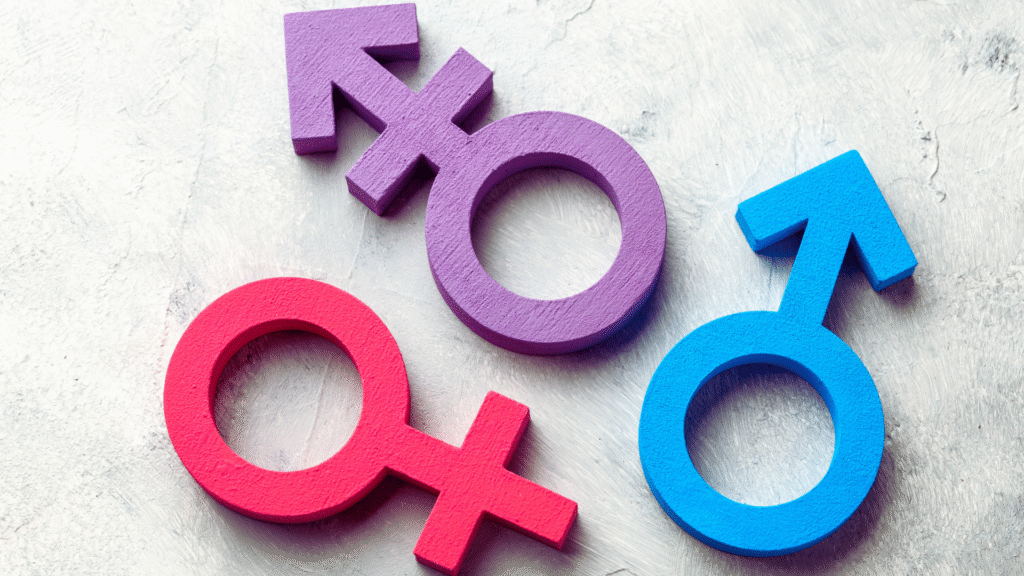
Pride Month is a time for the LGBTQ+ community to celebrate their identities, history, and the ongoing fight for equality. It provides an opportunity for individuals to come together, express their authentic selves, and recognize the contributions of gay, lesbian, bisexual, and transgender people throughout history. Celebrating Pride not only fosters a sense of belonging but also raises awareness about the challenges faced by the LGBTQ+ community.
Events such as parades, festivals, and educational workshops are essential during this month, as they create spaces for dialogue and affirmation. These celebrations are not just about festivities; they serve as a reminder of the progress made and the work that still lies ahead in securing rights for all individuals, regardless of their sexual orientation or gender identity. Embracing and promoting inclusivity strengthens community bonds and encourages allies to stand in solidarity with LGBTQ+ individuals.
As Pride Month approaches, individuals from various backgrounds come together to honor diversity and creativity. This collective effort showcases the resilience of the community and highlights the importance of visibility in the pursuit of equality. Participating in Pride festivities fosters unity while encouraging personal reflections on the significance of love and acceptance in a diverse society.
The History of Pride
Pride has deep historical roots, shaped significantly by critical events that catalyzed the LGBTQ+ rights movement. Key milestones include the Stonewall Uprising, which served as a pivotal moment in the fight for gay liberation and inspired numerous pride events worldwide.
Stonewall Uprising and Its Impact
The Stonewall Uprising occurred in June 1969 when patrons of the Stonewall Inn in New York City resisted a police raid. This incident marked a significant shift in the LGBTQ+ movement, as it prompted a more organized response against systemic discrimination.
In response to the uprising, activists formed various organizations aimed at fighting for gay rights. The incident inspired the first Christopher Street Liberation Day march a year later, commemorating the uprising and advocating for equality. This event evolved into what is now recognized as Pride Month, celebrated every June.
Global Evolution of Pride Celebrations
Following the Stonewall Uprising, pride celebrations expanded globally, adapting to various cultural contexts. The first pride parades took place in cities like Los Angeles and Chicago in the early 1970s, drawing attention to LGBTQ+ issues.
Countries across Europe and beyond began holding their own pride events, bringing visibility to local struggles for gay rights. Features included marches, parades, and festivals, each reflecting the unique history and challenges faced by LGBTQ+ communities. Today, Pride events have become a platform not only for celebration but also for political advocacy and awareness related to LGBTQ+ rights worldwide.
Significance of Pride Symbols and Events
Pride symbols and events embody the celebration of diversity and the ongoing struggle for equality. They serve to unify the LGBTQ+ community while raising awareness of the issues faced by marginalized groups. Key components include the rainbow flag, pride parades, and notable observance dates that resonate deeply within the community.
Meaning Behind the Rainbow Flag
The rainbow flag is a powerful emblem of the LGBTQ+ movement. Created by Gilbert Baker in 1978, each color in the flag represents distinct aspects of diversity: red for life, orange for healing, yellow for sunlight, green for nature, blue for harmony, and purple for spirit.
This flag has become an enduring symbol of pride and resilience. It flies prominently during pride events, signifying solidarity among LGBTQ+ individuals and allies. The flag fosters a sense of belonging and visibility, essential for advocacy and community support.
Pride Parades and Marches
Pride parades and marches are significant cultural events held in many cities around the world. These gatherings provide a platform for individuals to express their identities openly and celebrate their diversity.
Participants often display vibrant costumes, banners, and flags, emphasizing the collective spirit of LGBTQ+ pride. Additionally, these events highlight issues such as discrimination and inequality, fostering dialogue around legal rights and social acceptance.
Through music, speeches, and performances, pride parades create an atmosphere of joy and unity. They encourage people to embrace their identity while promoting a sense of community and belonging.
Notable Dates in Pride Observance
Several key dates are vital in the observance of LGBTQ+ pride. June is designated as LGBTQ+ Pride Month, commemorating the Stonewall Riots of 1969, a pivotal event in the fight for LGBTQ+ rights.
Other significant observances include National Coming Out Day on October 11, which encourages individuals to publicly share their sexual orientation or gender identity. Events surrounding these dates typically include concerts, educational panels, and community activities that focus on awareness, acceptance, and celebration.
These dates and events foster engagement, helping to build a supportive environment for individuals within the LGBTQ+ community while educating the public on relevant social issues.
Advocacy, Rights, and Community Support
Advocacy for LGBTQ+ rights encompasses various organizations and initiatives aimed at promoting equality and support. The role of activism is critical, as it drives social change and encourages visibility for the LGBTQ+ community. Additionally, the emergence of LGBTQ+ media and culture plays a significant part in shaping acceptance and representation.
Organizations Championing LGBTQ+ Rights
Numerous organizations work tirelessly to champion LGBTQ+ rights. The Human Rights Campaign focuses on achieving equality and advocating for policies that protect the community. GLSEN is dedicated to creating safe and affirming schools for LGBTQ+ students, ensuring that they can learn without fear of discrimination. The Trevor Project provides crisis intervention and suicide prevention services for LGBTQ+ youth, emphasizing mental health and support. These organizations not only promote acceptance but also provide vital resources for community members.
Role of Advocacy and Activism
Advocacy and activism are essential elements in the fight for LGBTQ+ rights. Activists work to raise awareness about issues such as discrimination, violence, and systemic inequality. They mobilize communities to participate in events like Pride marches, which celebrate identity and foster inclusivity. Legislative advocacy is also crucial, as advocacy groups lobby for policies that protect LGBTQ+ rights at local, state, and national levels. Increased visibility through activism has led to significant legal advancements, enhancing the overall quality of life for LGBTQ+ individuals.
The Emergence of LGBTQ+ Media and Culture
LGBTQ+ media and culture play a pivotal role in promoting acceptance and visibility. Platforms like GLAAD actively work to ensure accurate representation of LGBTQ+ individuals in film, television, and literature. This representation fosters understanding and breaks down stereotypes. The emergence of LGBTQ+-focused media has led to greater cultural acceptance and support. Further, initiatives like those from the Library of Congress highlight LGBTQ+ history and contributions, ensuring that this aspect of culture receives recognition and respect. Such visibility is instrumental in normalizing diverse identities within society.
Challenges and Progress
The LGBTQ+ community faces significant challenges, including discrimination and the need for greater awareness of diverse identities. Progress in these areas is essential for fostering resilience and promoting equality.
Fighting Discrimination and Inequality
Discrimination against LGBTQ+ individuals persists through various forms, including anti-LGBTQ+ legislation and systemic inequity. Many states have enacted laws that undermine transgender rights and limit access to healthcare. These legal barriers create hostile environments, hampering the fight for equality.
Efforts are underway to combat these challenges. Advocacy groups actively work to raise awareness and push for legislative changes. Campaigns aim to educate the public about the importance of equity and the rights of all individuals, regardless of sexual orientation or gender identity. Resilience within the community is evident as activists continue to unite and empower one another.
Intersectionality and Diverse Identities
Intersectionality plays a crucial role in understanding the varied experiences within the LGBTQ+ community. Individuals often navigate multiple identities that intersect with issues of race, gender, and socioeconomic status. This diversity highlights the need for an inclusive approach to advocacy efforts.
The celebration of diverse identities enriches the community, allowing for a more comprehensive dialogue around challenges faced by marginalized groups. Increased visibility of intersectional identities fosters joy and empowerment, reminding individuals that their experiences are valid and significant. By emphasizing inclusivity, the community can better address the multifaceted nature of discrimination and inequality.