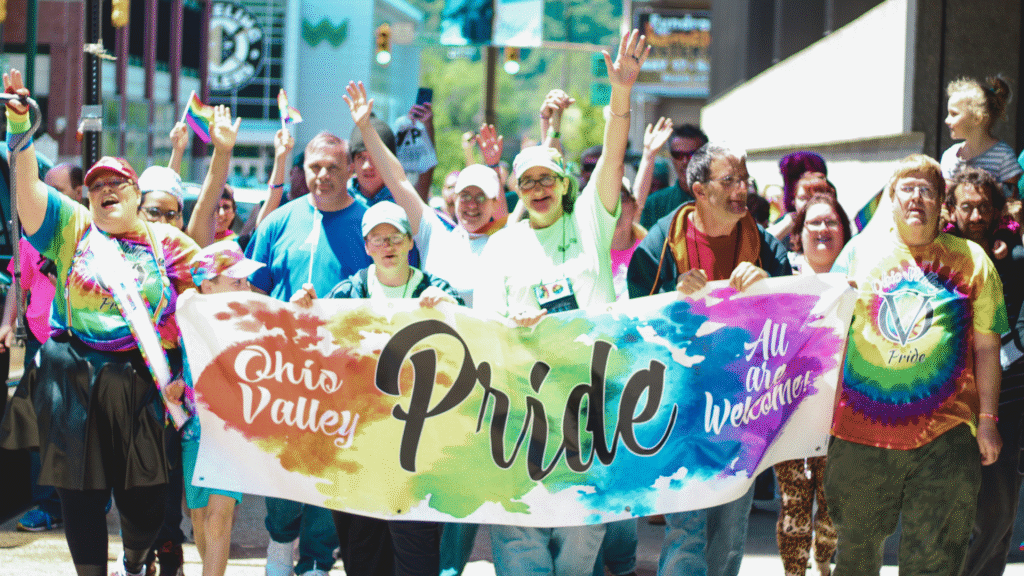
Attending a LGBTQ+ pride parade can be an exhilarating experience, especially for newcomers. Being prepared can enhance enjoyment and foster a sense of belonging. With vibrant displays of love and acceptance, participants often find inspiration in the atmosphere, making it a memorable event for everyone involved.
For those attending their first parade, understanding the significance is crucial. Pride parades celebrate the LGBTQ+ community’s history, struggles, and victories, creating an environment where everyone can express themselves freely. Knowing what to expect can help alleviate any anxiety and encourage a welcoming experience.
Participants should consider practical tips, such as staying hydrated, wearing comfortable clothing, and planning meeting points with friends. Engaging openly and respectfully with the diverse range of attendees cultivates community and solidarity. Embracing the spirit of unity can make a first pride parade unforgettable.
Understanding LGBTQ+ Pride Parades
LGBTQ+ pride parades celebrate the visibility, diversity, and history of the LGBTQ+ community. These events are rooted in significant historical moments and promote unity and acceptance through symbols and traditions.
History and Significance of Pride Parades
Pride parades trace their origins to the Stonewall Riots in June 1969. A series of spontaneous demonstrations occurred in response to a police raid at the Stonewall Inn in New York City. This event ignited the modern LGBTQ+ rights movement, leading to the first pride marches in 1970, commemorating the riots.
Pride parades serve as a reminder of the struggle for liberation and civil rights. They foster a sense of community, allowing individuals to express their identities openly. Each year, parades are held in cities worldwide during Pride Month, which is celebrated in June, reinforcing solidarity and awareness.
Key Symbols and Traditions
The rainbow flag is the most recognizable symbol of LGBTQ+ pride. Created by Gilbert Baker in 1978, it represents diversity within the community. Each color has its own meaning: red for life, orange for healing, yellow for sunlight, green for nature, blue for harmony, and violet for spirit.
In addition to the flag, other symbols, such as the trans pride flag and various representation flags, carry deep significance. Parades typically feature lively floats, music, and performances, encouraging participation and creativity. Wearing bright colors, costumes, and accessories helps foster a celebratory atmosphere that promotes acceptance.
Diversity and Representation in Pride Events
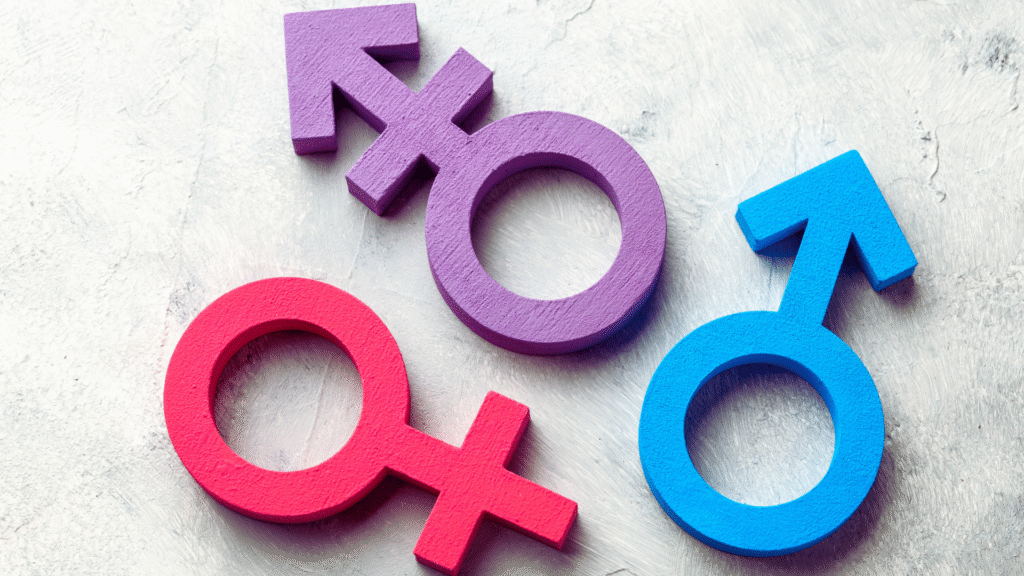
Pride parades embrace diversity, highlighting the spectrum of identities within the LGBTQ+ community. Events strive for inclusion, representing various groups, including transgender individuals, people of color, and those with different sexual orientations.
Many parades prioritize representation by inviting speakers and performers from underrepresented backgrounds. This commitment to visibility helps educate the public and challenge stereotypes. By fostering an inclusive environment, pride parades aim to create a sense of belonging for everyone, encouraging unity and support among all attendees.
Preparing for Your First Pride Parade
Attending a Pride parade involves careful preparation to ensure a safe and enjoyable experience. Key considerations include researching local events, knowing what to wear and bring, planning transportation, and understanding the culture and etiquette surrounding these events.
Researching Pride Events in Your Area
Before attending a Pride parade, individuals should research local events to understand the schedule and activities available. Cities like Chicago often host multiple Pride events, including parades, festivals, and parties.
Online resources, such as social media platforms and LGBTQ+ websites, can provide insights into dates and locations. It’s essential to check official event pages for updates or changes related to safety or accessibility.
Additionally, local LGBTQ+ organizations may offer valuable information on community events surrounding the parade.
What to Bring and What to Wear
Packing essentials for a Pride parade ensures comfort and enjoyment. Participants should consider wearing bright, colorful outfits that reflect their personality. Comfortable footwear is crucial, as participants may spend long hours walking or standing.
Bringing a backpack with essential items is also wise. Items may include:
- Water bottles to stay hydrated
- Sunscreen to prevent sunburn
- Snacks for energy
- A portable phone charger for connectivity
- A small first-aid kit for minor injuries
These items contribute to a more enjoyable experience during the parade.
Planning Your Arrival and Transportation
Planning arrival times and transportation is important for a smooth experience. Parades can attract large crowds, so arriving early helps secure a good viewing spot.
Individuals should consider their transportation options, whether using public transit, ridesharing services, or personal vehicles. Parking may be limited and crowded, particularly in urban areas.
Checking local transit schedules can help avoid delays and ensure timely arrival. Additionally, knowing the parade route can facilitate planning for after-parade activities.
Understanding Local Rules and Etiquette
Being aware of local rules and etiquette fosters a respectful Pride experience. Many cities have specific regulations regarding alcohol consumption, parading with floats, or displaying signs.
Respect for personal space and boundaries is crucial. Individuals should be mindful when taking photographs, especially of those who may not want to be photographed.
Moreover, participants should embrace inclusivity and encourage positive interactions among diverse groups. Being familiar with and respecting the culture of Pride can enhance the overall celebration.
Tips for a Positive and Safe Pride Parade Experience
Attending a Pride parade can be an empowering experience. To fully enjoy this celebration, it’s important to prioritize safety, respect personal boundaries, and connect with the community.
Staying Safe and Respecting Personal Boundaries
Awareness is key to a safe experience. Participants should stay alert and familiarize themselves with the parade route and local facilities, such as restrooms and emergency services.
Respect for personal space is crucial. Understand that some individuals may not wish to engage in physical contact or conversations. It’s best to ask before taking photos or touching someone.
Choose a buddy system when possible. Having someone with you can provide support and enhance safety in crowded areas. Also, keep personal belongings secure to avoid theft or loss during the event.
Connecting with the LGBTQ+ Community
Engagement can deepen the experience. Participants should take moments to introduce themselves, share stories, and learn from diverse backgrounds within the LGBTQ+ community.
Explore booths and tables set up by local organizations. These can offer information on resources and support systems, such as Gender Identity Activism (GIA) and local community groups.
Being open-minded fosters connections. It allows individuals to learn about various gender identities and experiences, strengthening community bonds. Consider volunteering for local initiatives to deepen ties beyond the parade.
Participating in Pride Marches, Rallies, and Festival Activities
Active participation enhances visibility and advocacy. Individuals should prepare for marches by wearing comfortable clothing and footwear. Staying hydrated is critical, especially under the sun.
Rallies often include speeches and performances. Attendees should engage respectfully, listening and responding to calls for unity and action. Personal expressions through signs or costumes can amplify messages of pride.
Festival activities provide additional opportunities for fun and education. Attendees should explore food vendors, art displays, and workshops focused on LGBTQ+ issues. These activities can help foster a sense of belonging in the community while also being enjoyable.