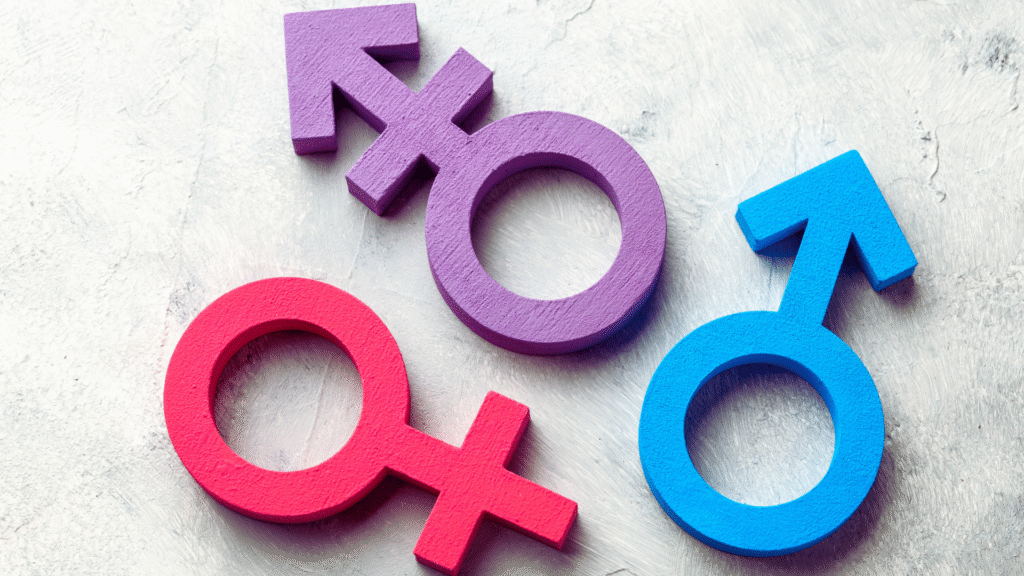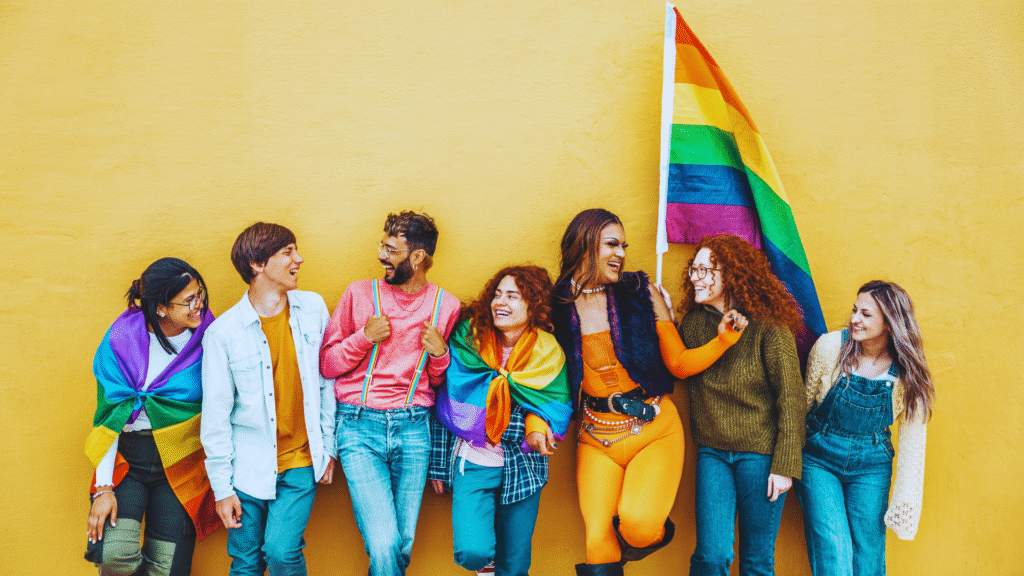
Intersectionality plays a crucial role in understanding the diverse experiences within the LGBTQ+ community. By examining how various identities—such as race, gender, class, and ability—interact, one can see that the struggles faced by individuals are not uniform. This framework highlights that the LGBTQ+ community is not monolithic, and the experiences of its members can vary significantly based on intersecting identities.
Incorporating intersectionality enables a richer dialogue about inclusion and representation in LGBTQ+ spaces. It emphasizes the importance of recognizing how privilege and discrimination affect individuals differently, depending on their unique contexts. Exploring these dimensions fosters greater empathy and understanding among community members.
As society becomes increasingly aware of diversity, intersectionality serves as a powerful lens through which to view the complexities of identity within the LGBTQ+ community. Engaging with this concept allows for deeper connections and a more supportive environment for all individuals, acknowledging that their identities do not exist in isolation.
Historical Context of Intersectionality
Understanding the historical development of intersectionality reveals its roots in various social movements and academic frameworks. This section explores how intersectionality arose and its significant connections to Black feminist thought.
Origins of Intersectionality Theory
Intersectionality theory originated in the late 20th century, primarily spearheaded by Kimberlé Crenshaw. Her work highlighted how social categorizations, such as race, gender, and class, create overlapping systems of discrimination and disadvantage.
Crenshaw’s landmark paper in 1989 used legal cases to illustrate how women of color experience unique forms of oppression that do not conform to single-issue frameworks. This approach shifted focus toward examining how multiple identities intersect to compound experience and marginalization.
As a result, intersectionality emerged as a critical lens for analyzing systemic inequalities in society.
Intersectionality and Black Feminist Thought
Black feminist thought significantly influences the development of intersectionality. Early Black feminists, such as Bell Hooks and Audre Lorde, emphasized the necessity of integrating race and gender in discussions about oppression.
They argued that traditional feminist movements often overlooked the experiences of Black women and other marginalized groups, thereby perpetuating existing inequalities. Their insistence on the intersection of various identities enriched feminist discourse and led to a deeper understanding of systemic oppression.
This fusion of race and gender considerations within feminist thought laid the groundwork for intersectionality, highlighting the need for a comprehensive approach to social justice.
Identities and Experiences in the LGBTQ+ Community
The LGBTQ+ community is diverse, encompassing a wide range of identities and lived experiences shaped by various factors such as gender, race, and sexual orientation. Understanding these dimensions is crucial for recognizing the unique challenges faced by individuals within this community.
Understanding Gender and Sexual Minorities
Gender and sexual minorities include individuals who identify as lesbian, gay, bisexual, transgender, gender non-conforming, or queer. These identities are shaped by both personal experiences and societal perceptions.
Gender identity refers to how individuals perceive themselves and what they call themselves, while sexual orientation involves the attraction one feels toward others.
Marginalized identities within this group often intersect with race and socioeconomic status, compounding the challenges faced by individuals. For instance, a transgender woman of color may encounter discrimination that is distinct from that faced by a white gay man. Understanding these complexities is essential for meaningful allyship and advocacy.
Lived Experiences and Social Identities
The lived experiences of individuals in the LGBTQ+ community vary greatly based on their intersecting identities. Many face social stigmas that can affect their mental health and well-being.
Challenges such as job discrimination, harassment, and social ostracism are prevalent among various identities. For example, a gender non-conforming individual may face unique obstacles in both social and professional contexts compared to those who adhere more closely to traditional gender norms.
Incorporating social identities—such as race, socioeconomic status, and ability—into the understanding of experiences enriches the dialogue about inclusion and equity within the community. Recognizing these differences is essential for fostering a more inclusive environment that respects and values all members of the LGBTQ+ community.
Challenges at the Intersection
Intersectionality within the LGBTQ+ community brings to light several significant challenges that individuals face. These challenges encompass discrimination, healthcare disparities, and mental health issues, particularly for those who belong to multiple marginalized groups.
Discrimination and Inequality
Individuals at the intersection of LGBTQ+ identities and other marginalized communities often encounter heightened discrimination. This includes prejudice based on race, gender identity, and disability.
Forms of Discrimination:
- Employment: Many face job insecurity or discrimination during the hiring process.
- Housing: Discriminatory practices make it difficult to secure stable and safe housing.
- Services: Access to public services can be limited or hostile.
Inequality manifests in systemic barriers, leading to economic challenges and social exclusion. Those affected may experience compounded effects of bias, reducing their opportunities for advancement.
Healthcare Disparities
Healthcare access represents another critical issue. LGBTQ+ individuals, especially from racial or disabled backgrounds, frequently face discrimination within medical environments.
Key Healthcare Barriers:
- Lack of Inclusive Care: Many healthcare providers lack training in LGBTQ+ issues, leading to inadequate treatment.
- Insurance Issues: Insurance may not cover necessary procedures specific to gender identity.
- Mental Health Support: There is often limited access to culturally competent mental health resources.
These factors contribute to significant health disparities, where marginalized individuals experience worse health outcomes compared to their peers.
Mental Health and Well-Being
Mental health challenges are prevalent among LGBTQ+ individuals at the intersection of multiple identities. Stigma and discrimination can exacerbate feelings of isolation and anxiety.
Impact on Mental Health:
- Increased Rates of Depression: Individuals report higher instances of depression rooted in societal rejection.
- Substance Abuse: Some may turn to substances as a coping mechanism for their struggles.
- Support Systems: Access to affirming support networks can be limited, further affecting well-being.
Addressing these mental health needs requires tailored interventions that respect and understand the complexities of their experiences.
Advancing Equity and Justice
Addressing intersectionality in the LGBTQ+ community involves understanding how various identities contribute to experiences of injustice. Fostering equity and justice requires a commitment to allyship, activism, and inclusive representation within society.
Role of Allyship and Solidarity
Allyship is crucial for advancing equity within the LGBTQ+ community. Allies can help amplify marginalized voices, especially those of queer and trans people of color who often face triple oppression due to their gender, sexuality, and race.
Effective allyship includes active listening and creating spaces for these voices to be heard. Allies should seek to understand the complexities associated with privilege and power dynamics that exist.
Solidarity also plays a significant role in building community resilience. Collaborating across various movements, such as feminism and racial justice, strengthens the fight for equality. Allies can demonstrate support through education and participation in advocacy efforts, leading to greater awareness and acceptance.
Activism and LGBTQ+ Advocacy
Activism within the LGBTQ+ community works to dismantle systemic barriers. Engagement in grassroots initiatives can address issues like stigma, discrimination, and socioeconomic disparities that affect queer individuals.
LGBTQ+ advocacy requires coalition-building across diverse groups to ensure comprehensive representation. By uniting various movements, advocacy efforts can address intersecting identities, ensuring that all experiences are validated and addressed.
Education and awareness around policies affecting LGBTQ+ rights are essential. Grassroots organizations often play a central role in informing the public and policymakers about these issues, promoting equal rights.
Inclusion and Representation in Society
Inclusion involves ensuring that LGBTQ+ individuals are represented in all aspects of society. This representation should reflect not only gender and sexual orientation, but also incorporate diverse socioeconomic backgrounds.
Media representation plays a significant role in shaping perceptions. Accurate portrayals can combat stigma while promoting understanding and acceptance. Organizations should strive to include diverse voices in storytelling, showcasing the full spectrum of LGBTQ+ experiences.
Workplace inclusivity is equally important. Policies that promote equity and justice create environments where all individuals can thrive. Empathy and understanding within these spaces foster collaboration and innovation, which benefits society as a whole.