Supporting LGBTQ+ friends is essential in fostering an environment of acceptance and understanding. Being an ally means actively standing by their side, listening to their experiences, and advocating for their rights. Simple actions, like using inclusive language and educating oneself about LGBTQ+ issues, can make a significant difference in their lives.
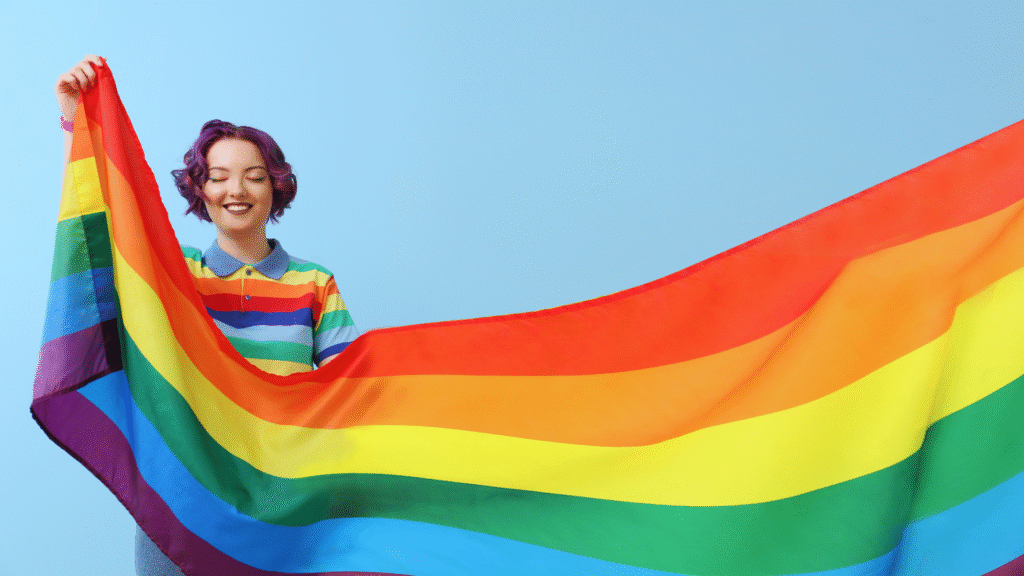
Friends can play a crucial role in promoting a sense of belonging for LGBTQ+ individuals. Showing support through participation in pride events, discussions, or simply being there during challenging times demonstrates commitment and solidarity. This helps not only strengthen friendships but also contributes to a larger movement for equality and acceptance.
Understanding the challenges that LGBTQ+ people face is key to effective allyship. It’s important to create safe spaces where they feel comfortable expressing themselves. By sharing knowledge and showing support, allies can help combat prejudice and encourage an open dialogue about identity and acceptance.
Understanding LGBTQ+ Identity and Challenges
LGBTQ+ individuals often navigate complex identities and challenges. Recognizing these aspects is essential to provide meaningful support.
Gender Identity and Sexual Orientation
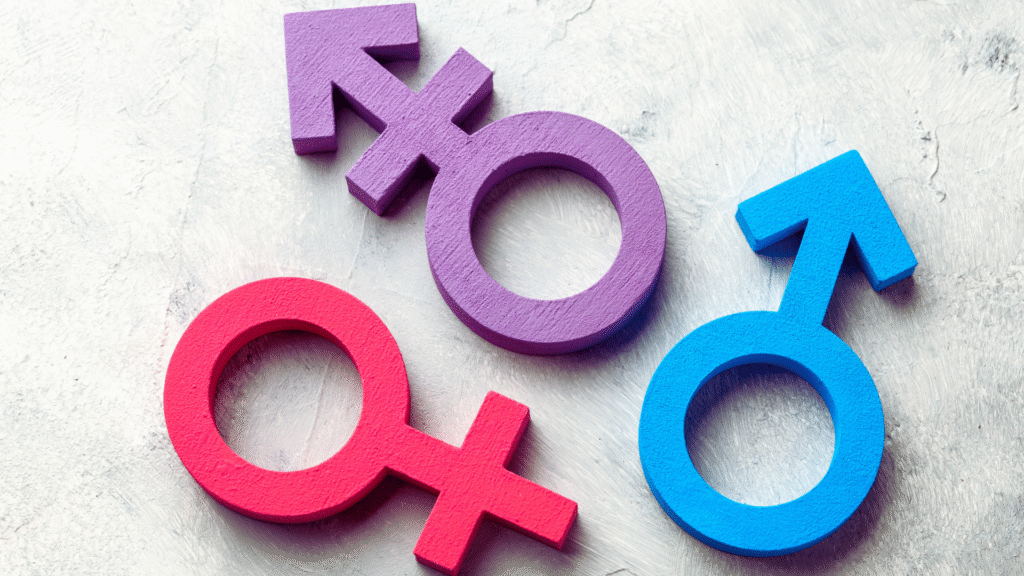
Gender identity refers to an individual’s internal sense of their gender, which may not necessarily align with their biological sex. For example, a person assigned female at birth might identify as male or non-binary. Sexual orientation, on the other hand, relates to whom one is attracted to, including heterosexuality, homosexuality, bisexuality, and beyond.
Understanding gender identity and sexual orientation is vital as they are core to a person’s self-concept. Misunderstandings can lead to alienation or marginalization. Supporting friends means respecting their identities and using chosen names and pronouns consistently.
Mental Health Issues and Discrimination
LGBTQ+ individuals frequently face mental health challenges stemming from societal stigma and discrimination. Studies indicate higher rates of anxiety, depression, and suicidal thoughts among LGBTQ+ youth compared to their heterosexual peers. Factors such as homophobia and transphobia exacerbate these issues.
Discrimination in various settings—such as workplaces and healthcare—can lead to a lack of access to necessary resources. A supportive environment that affirms their identity significantly contributes to improved mental health outcomes. Offering a listening ear and encouraging professional help when needed can be instrumental.
The Importance of Inclusivity and Acceptance
Inclusivity fosters a sense of belonging and acceptance. It is crucial for LGBTQ+ individuals to feel welcomed in their communities, workplaces, and families. Creating spaces that represent diverse identities promotes understanding and reduces stigma.
Acceptance can manifest in simple ways, such as advocating for equal rights and participating in LGBTQ+ events. Awareness and education about LGBTQ+ issues can dispel misconceptions and promote empathy. Supporting inclusive policies and initiatives reinforces the value of diversity and enhances overall community well-being.
How to Be an Effective Ally to the LGBTQ+ Community
Being an effective ally involves understanding LGBTQ+ issues, providing support, and actively challenging discrimination. Allies play a crucial role in fostering an inclusive environment for their friends and communities.
Educate Yourself on LGBTQ+ Issues
An informed ally recognizes the importance of knowledge. Understanding the history, terminology, and challenges faced by the LGBTQ+ community is vital.
Resources such as books, documentaries, and reputable websites provide valuable insights. Engaging with LGBTQ+ media can also enhance understanding.
Topics to explore include:
- Terminology: Familiarize yourself with terms such as gender identity, sexual orientation, and pronouns.
- History: Learn about significant events like Stonewall and current issues affecting the community.
- Mental Health: Understand the mental health challenges that LGBTQ+ individuals may face due to stigma and discrimination.
By being educated, allies can engage in meaningful conversations and reduce misunderstandings.
Listen and Offer Unconditional Support
Listening is a powerful tool in allyship. It allows individuals to express their feelings and experiences without fear of judgment.
Creating a safe space for open dialogue ensures that LGBTQ+ friends feel valued. Here are ways to demonstrate support:
- Be Present: Offer time and attention. A simple act of listening can provide significant comfort.
- Validate Feelings: Acknowledge their experiences as valid and important, even if they differ from your own.
- Affirm Their Identity: Use chosen names and pronouns consistently to show respect and affirmation.
Unconditional support fosters trust and strengthens relationships, making allies invaluable.
Challenge Discrimination and Advocate for Equality
Active allyship requires speaking out against injustice. Allies must not only support individuals but also challenge discriminatory actions and beliefs.
Ways to take a stand include:
- Address Microaggressions: Speak up when witnessing biased remarks or actions, whether in social settings or workplaces.
- Support LGBTQ+ Organizations: Volunteer time or resources to groups that advocate for LGBTQ+ rights.
- Educate Others: Share knowledge with peers about LGBTQ+ issues to foster a more inclusive environment.
Advocating for equality demonstrates commitment and helps create systemic change while uplifting marginalized voices.
Support Systems and Resources
Creating a robust support system for LGBTQ+ friends is essential. This includes familial acceptance, professional guidance, and involvement in safe community spaces. Exploring these areas can greatly enhance relationships and well-being.
Family and Social Support
Family acceptance is crucial for LGBTQ+ individuals. Supportive families can help mitigate feelings of isolation and improve mental health outcomes. Open communication can foster a safe environment where LGBTQ+ friends feel accepted and loved.
Social circles also play a significant role. Friends can provide emotional support and companionship, which are vital for mental health. Connecting with supportive groups like PFLAG can help friends and families understand their loved ones better. Participation in local LGBTQ+ events can strengthen these social connections.
Professional Mental Health Resources
Access to mental health resources remains vital for LGBTQ+ individuals. Organizations like The Trevor Project provide crisis intervention and suicide prevention services tailored for LGBTQ+ youth. These resources can offer critical support during difficult times.
Professional counseling can also be beneficial. Mental health professionals trained in LGBTQ+ issues ensure that individuals receive empathetic and knowledgeable care. Connecting with such professionals can help friends navigate their feelings and experiences in a constructive manner.
Safe Spaces and Community Involvement
Safe spaces are essential for fostering comfort and acceptance. These environments allow LGBTQ+ individuals to express themselves without fear of discrimination. Community centers often host events, workshops, and support groups to cultivate inclusivity.
Engagement in local LGBTQ+ initiatives can offer connections and resources. Volunteering with organizations that support LGBTQ+ rights can empower individuals and help build a sense of belonging. Such involvement not only provides support but also creates opportunities for advocacy and education within the broader community.
Creating Lasting Change
Supporting LGBTQ+ friends involves not just personal actions but also participating in broader movements that encourage inclusivity and equality. Meaningful change can be achieved through individual growth, advocacy, and an ongoing commitment to education and community involvement.
Personal Growth through Self-Reflection
Self-reflection allows individuals to consider their own beliefs and biases regarding the LGBTQ+ community. It is essential to examine one’s own understanding of gender identity and sexual orientation. This process often reveals internalized stereotypes or misconceptions that can hinder support for friends.
Practicing inclusive language and challenging personal prejudices contribute to personal growth. Individuals can seek resources like books, documentaries, or workshops dedicated to LGBTQIA+ issues. This ongoing self-education fosters empathy and a deeper connection with friends facing challenges.
Public Advocacy and Policy Support
Advocacy remains a critical component in creating systemic change. Individuals can support organizations like the Human Rights Campaign, which focuses on legislation promoting LGBTQ+ rights. They can also participate in campaigns or sign petitions addressing discrimination and inequality.
Volunteering at local LGBTQ+ events is another effective way to advocate for change. Engaging in community projects, such as health initiatives or educational programs, raises awareness and fosters inclusivity. Speaking out against injustices, both online and in personal circles, amplifies marginalized voices and inspires others to advocate for LGBTQIA+ rights.
Continued Learning and Community Engagement
Ongoing education and community involvement are vital for fostering an inclusive environment. Attending workshops or seminars about LGBTQ+ issues provides valuable insights into health, well-being, and the unique challenges faced by the community. Individuals can access research that highlights the importance of inclusion in various sectors.
Engaging with local LGBTQ+ organizations helps individuals remain informed and active. Participation in community discussions, events, and social initiatives creates a support network. This ongoing commitment empowers individuals to stand in solidarity, ensuring that their support extends beyond personal relationships into the broader societal landscape.