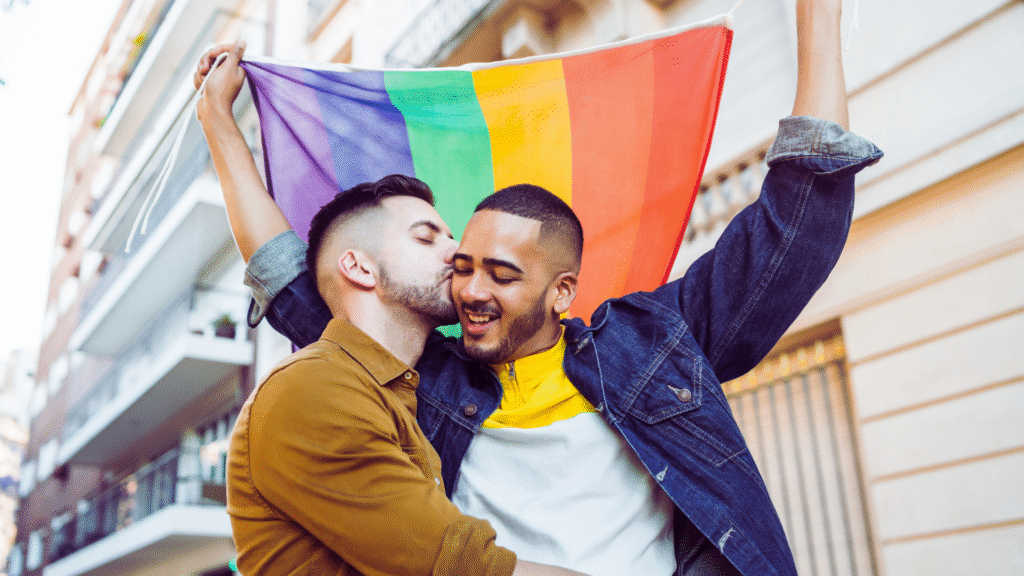
Healthy LGBTQ+ relationships are characterized by mutual respect, open communication, and shared values. A strong relationship prioritizes understanding and acceptance of each partner’s identity while fostering an environment where both can grow and thrive together.
In these relationships, partners support each other’s goals and dreams, creating a foundation built on trust and loyalty. They navigate challenges collectively, ensuring that both voices are heard and valued. Healthy boundaries and a commitment to emotional and physical safety are essential components.
Such relationships encourage both individuals to express themselves authentically, celebrating their uniqueness while finding common ground. By embracing diversity and cultivating a supportive atmosphere, these couples can build lasting, fulfilling connections that exemplify love and partnership.
Core Characteristics of a Healthy LGBTQ+ Relationship
Healthy LGBTQ+ relationships are built on strong foundations of mutual respect, open communication, and emotional and physical safety. These characteristics are essential for fostering compatibility and inclusion between partners.
Mutual Respect and Trust
Mutual respect is fundamental in any relationship, including those between same-sex couples. Partners should value each other’s individuality, preferences, and boundaries. This respect allows for a trusting environment where both individuals feel safe to express their thoughts and feelings.
Trust plays a crucial role in deepening connections. Each partner should demonstrate reliability through their actions, keeping promises and being honest about their intentions. This creates a sense of security that strengthens the relationship. Open admiration for each other’s achievements can further enhance respect, creating a balanced partnership where both feel valued.
Open Communication
Effective communication is vital for addressing concerns and sharing feelings. Partners should prioritize having conversations that are open and honest, allowing for vulnerability and authenticity. Listening actively and without judgment fosters deeper understanding and connection.
Each partner needs to express their needs clearly. Using “I” statements can help communicate feelings without blaming the other party. For instance, saying “I feel unheard when…” can lead to productive discussions. Additionally, setting aside time for regular check-ins can ensure both individuals remain aligned and proactive in the marriage.
Emotional and Physical Safety
Emotional safety involves creating an atmosphere where both individuals feel free from judgment and emotional harm. This includes being supportive during challenging times, validating each other’s emotions, and offering encouragement.
Physical safety is equally critical. Partners should respect each other’s boundaries and consent in all aspects. Healthy relationships require partners to feel secure, free from threats or coercion. A commitment to practices that ensure both emotional and physical safety reinforces a healthy dynamic, providing a solid base for the relationship to thrive.
Navigating Unique Challenges in LGBTQ+ Relationships
LGBTQ+ relationships often face distinct challenges stemming from societal norms and biases. Addressing stigma, discrimination, and stressors specific to sexual minorities is crucial for fostering healthy partnerships.
Dealing with Stigma and Discrimination
Stigma and discrimination can manifest in various forms, from subtle microaggressions to overt hostility. LGBTQ+ individuals may encounter negative attitudes from family, friends, or the public, impacting their self-esteem and relationship dynamics.
Support from community organizations can provide necessary resources and safe spaces. Couples should seek environments conducive to open dialogue, reinforcing their bond. Openly confronting prejudiced remarks and supporting one another is vital. Creating a united front can help mitigate the effects of external negativity.
Managing Minority Stressors
Minority stress refers to the chronic stress faced by individuals in marginalized groups due to societal prejudice. This stress can affect mental well-being and relationship satisfaction. LGBTQ+ couples may experience anxiety, depression, and heightened relationship conflict due to external pressures.
To counteract these stressors, communication is key. Couples should engage in regular check-ins about their feelings and experiences. Establishing a solid support network of friends, family, or LGBTQ+ groups can also alleviate feelings of isolation.
Mindfulness practices, such as meditation or therapy, may enhance resilience in the face of stress. Acknowledging each partner’s struggles and validating their experiences fosters a stronger emotional connection.
Addressing Health Disparities
Health disparities are prominent issues within the LGBTQ+ community, influenced by a lack of access to adequate healthcare, discrimination in medical settings, and social stigma. These challenges can affect both mental and physical health, impacting relationship dynamics.
Couples are encouraged to prioritize health-related conversations. Discussing medical histories and mental health openly can lead to better mutual understanding. Seeking LGBTQ+-friendly healthcare providers increases comfort and accessibility.
Access to resources such as counseling and health information is vital. Advocacy for inclusive policies within healthcare systems is essential to support the well-being of LGBTQ+ individuals, ultimately benefiting their relationships.
Fostering Personal Growth and Well-Being
A healthy LGBTQ+ relationship prioritizes both partners’ individual growth and well-being. Supporting mental health, embracing diversity, and encouraging professional development are essential components of nurturing this growth.
Promoting Mental Health and Resilience
Strong mental health forms the backbone of personal growth in relationships. Couples should openly communicate about their feelings and challenges. Regular check-ins can foster a supportive environment.
Engaging in activities that enhance well-being is beneficial. This can include mindfulness practices, therapy, or support groups. Resilience can be built through shared experiences, where partners face challenges together.
Establishing boundaries and recognizing each other’s mental health needs is crucial. This promotes understanding and strengthens the relationship. Couples should ensure they provide emotional support without judgment, creating a safe space for vulnerability.
Supporting Diversity and Inclusion
Supporting diversity and inclusion allows individuals to feel accepted and valued. Recognizing and celebrating each partner’s unique backgrounds strengthens the relationship. This includes understanding cultural, racial, and gender identities.
Couples should actively engage in discussions about their differences. This fosters a deeper understanding and appreciation of one another. Participating in community events or activism can further promote a sense of belonging.
Moreover, partners can educate themselves about issues affecting various marginalized groups. This knowledge can enhance empathy and create a more inclusive relationship. Encouraging each other to embrace this journey empowers personal and relational growth.
Encouraging Professional Development
Supporting each other’s professional growth is vital for personal success. Couples should encourage open discussions about career goals and aspirations. They can attend workshops or networking events together to enhance their skills.
Sharing resources, such as books, articles, or podcasts, can stimulate growth. Additionally, providing constructive feedback can help both partners advance in their careers. Celebrating each other’s achievements fosters a positive atmosphere.
Understanding the importance of work-life balance is essential. Couples should recognize when professional stress may impact their relationship. By fostering a supportive environment for career development, they contribute to individual well-being and mutual growth.