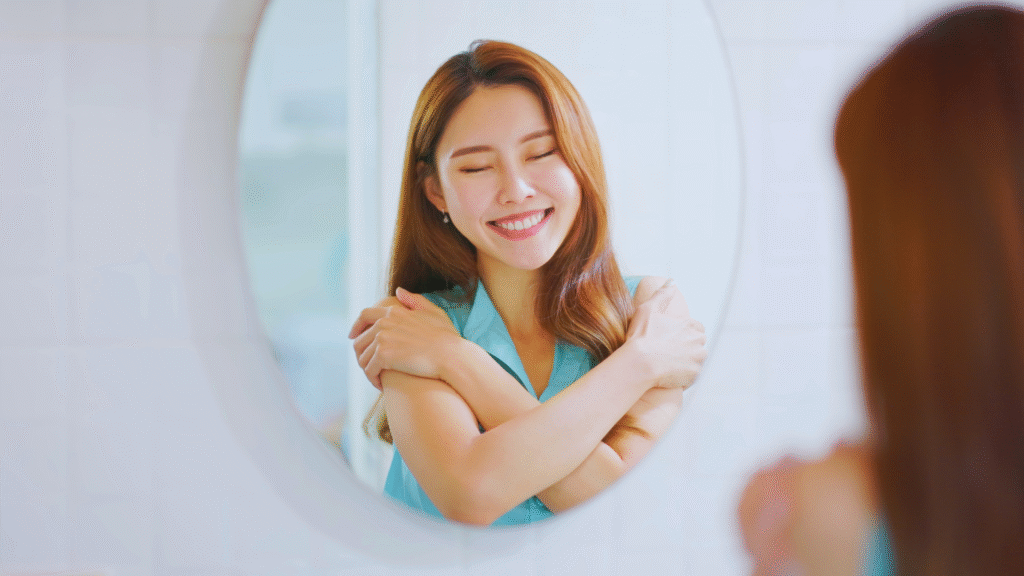
Falling in love is a profound experience that can transform one’s life. It often feels like a rush of emotions, combining excitement, vulnerability, and deep connection. Individuals may find themselves drawn to another person, feeling an instinctive bond that seems difficult to explain.
When love begins to blossom, it can trigger a variety of physiological responses, such as increased heart rate and a sense of euphoria. People often describe a sense of warmth and comfort when around someone they love, creating a compelling urge to nurture the relationship. The experience is as much about emotional intimacy as it is about physical attraction.
As love deepens, it can lead to a heightened sense of awareness and understanding of one another. Individuals may start appreciating small nuances about their partner, fostering a sense of safety and belonging. The blend of joy and complexity makes the journey of falling in love both exhilarating and challenging.
The Emotional Journey of Falling in Love
Falling in love encompasses a complex emotional journey, characterized by initial attraction, deepening infatuation, and eventually, the formation of a profound emotional connection. Understanding these stages provides insight into the feelings experienced throughout this transformative time.
Initial Attraction and Chemistry
Initial attraction often occurs through physical appearances, body language, and mutual interests. This stage is marked by a palpable chemistry that can be electrifying.
Factors Influencing Attraction:
- Physical appearance: Often the first point of interest.
- Body language: Subtle cues, like eye contact, play a crucial role.
- Common interests: Shared hobbies or beliefs foster immediate connections.
This initial phase can lead to intense feelings of excitement and anticipation. Couples may find themselves captivated by each other’s charm, eagerly anticipating the next encounter.
Stages of Infatuation
Once attraction develops, individuals may enter the stage of infatuation. This phase is characterized by a heightened emotional state, often marked by obsessive thoughts about the romantic partner.
Signs of Infatuation:
- Daydreaming: Frequent thoughts about the partner throughout the day.
- Idealization: Viewing the partner as perfect, overlooking flaws.
- Nervous energy: Feelings of anxiety or excitement when together.
During this stage, emotions can run high, leading to rollercoaster-like feelings of joy and anxiety. This passionate attachment lays the groundwork for deeper emotional development.
Building Emotional Connection
As infatuation evolves, partners begin to develop a stronger emotional connection. This phase involves sharing personal thoughts, fears, and dreams, leading to vulnerability and trust.
Key Aspects of Emotional Connection:
- Effective communication: Open, honest dialogue strengthens bonds.
- Shared experiences: Creating memories together fosters intimacy.
- Support and understanding: Being there for each other builds a solid foundation.
This connection is essential for long-term relationships. It transforms a fleeting attraction into a meaningful partnership, enhancing both emotional and physical intimacy.
The Science Behind Love
The experience of falling in love involves various biochemical processes and psychological mechanisms. Understanding the science behind love reveals how neurochemicals and hormones play crucial roles in forming attachments and fostering intimacy.
Neurochemicals Involved in Falling in Love
Dopamine is one of the most significant neurochemicals linked to the feelings of euphoria and pleasure experienced in love. It contributes to the excitement and motivation associated with new romantic relationships. When individuals fall in love, dopamine levels rise, enhancing focus on their partner and elevating mood.
Serotonin, typically known for regulating mood, also plays a part during the early stages of love. In romantic contexts, lower serotonin levels may lead to obsessive thoughts about a partner. The combination of these neurochemicals creates a sense of exhilaration and infatuation often associated with love.
Oxytocin, often called the “love hormone,” is vital for fostering emotional bonds. Released during physical intimacy, it reinforces feelings of closeness and attachment. These neurochemicals together create a powerful emotional experience that characterizes romantic love.
Attachment, Intimacy, and Bonding
Attachment theory, developed by John Bowlby and furthered by researchers like Arthur Aron, explains how emotional bonds form through different attachment styles. These styles influence how individuals connect and communicate in relationships. Secure attachment fosters intimacy, making partners feel safe and emotionally supported.
Intimacy involves sharing personal thoughts and feelings, deepening the connection between partners. This level of closeness is often achieved through effective communication and vulnerability. Strong emotional bonds enhance relationship stability and satisfaction.
Social bonding is critical for emotional well-being and resilience. Support systems formed through attachment enhance the ability to navigate life’s challenges, reinforcing the importance of intimate relationships in fostering a sense of belonging.
The Role of Hormones in Romantic Love
Hormones such as testosterone and vasopressin play essential roles in romantic love. Testosterone, primarily known for its influence on sexual desire, can intensify attraction and passion between partners. Higher levels may enhance libido and stimulate the dynamics of intimate relationships.
Vasopressin, associated with social behaviors and bonding, is linked to long-term attachment. It helps promote loyalty and monogamous behaviors in romantic relationships. Together with oxytocin, these hormones contribute to the lasting bonds that define stable partnerships.
In essence, the interplay of these hormones and neurochemicals forms the biological foundation of falling in love, influencing everything from attraction to attachment and long-term relationship satisfaction.
Experiencing Love: Emotions and Behaviors
Falling in love brings forth a range of emotions and behaviors that can deeply affect individuals. These experiences foster vulnerability, build connections, and introduce complexities in emotional dynamics.
Feelings of Vulnerability and Openness
When love blossoms, individuals often exhibit increased vulnerability. They open themselves up emotionally, sharing personal thoughts and feelings. This openness fosters trust and intimacy, essential elements for a strong bond.
Vulnerability can be daunting. The fear of rejection may surface, yet the reward of emotional connection often outweighs this risk. Individuals learn to express their true selves, paving the way for deeper engagement.
Affection, Commitment, and Shared Experiences
Affection manifests in various ways—through physical touch, words of affirmation, and thoughtful gestures. These expressions build a foundation of intimacy. Commitment solidifies the relationship, reinforcing trust and loyalty.
Couples who engage in shared experiences often strengthen their bond. Activities like traveling, trying new hobbies, or even daily routines create lasting memories. This shared journey enhances their connection and nurtures a sense of partnership.
Managing Jealousy and Emotional Dependency
Jealousy can emerge in romantic relationships, often stemming from insecurity or fear of losing a partner. Recognizing the root cause is crucial for managing these feelings. Open communication can help address insecurities and reinforce trust.
Emotional dependency may develop as individuals rely on their partner for validation and support. While it’s natural to seek comfort in love, maintaining personal independence is vital. Balance fosters healthier interactions and prevents strain on the relationship.
The Aftermath: When Love Changes or Ends
The end of a romantic relationship can lead to significant emotional turmoil. Feelings of heartbreak often arise, and individuals may struggle to cope with the changes in their lives. Effective management of these emotions is crucial for healing.
Heartbreak and Emotional Responses
Heartbreak often manifests as intense emotional pain. Individuals may experience a range of feelings, from sadness to anger. Common responses include:
- Sadness: Persistent feelings of sorrow can overshadow daily activities.
- Anger: Frustration and resentment may be directed towards a partner or oneself.
- Confusion: Uncertainty about the future can lead to feeling lost.
Physiological responses can also occur. Changes in appetite, sleep disturbances, and fatigue are frequently reported. Individuals may find it challenging to focus or enjoy previously loved activities. Recognizing these feelings can be the first step toward healing.
Dealing With a Breakup
Coping with a breakup requires intentional steps. It’s essential to foster emotional resilience through various strategies:
- Acceptance: Acknowledging the end of the relationship helps in processing emotions.
- Support Networks: Engaging with friends and family can provide comfort and understanding.
- Self-Care: Prioritizing physical health through exercise and proper nutrition can bolster mental well-being.
Journaling thoughts and feelings can aid in emotional clarity. Seeking professional support can also provide valuable coping mechanisms and insights. Moving forward takes time, and each individual’s journey to healing is unique.