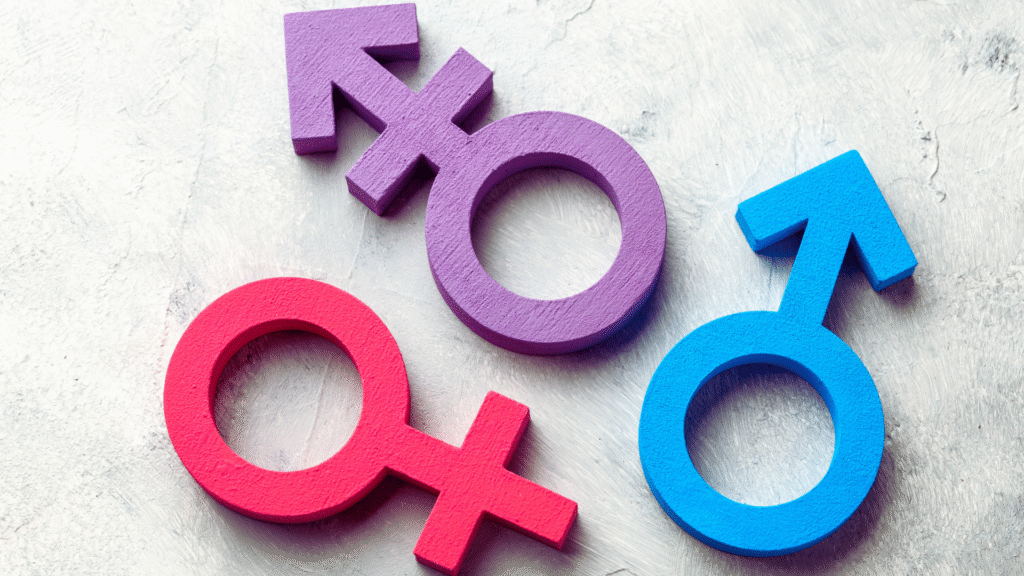
Chosen family holds immense significance within the LGBTQ+ community as it often provides the support and acceptance that may be lacking in traditional familial structures. For many individuals, chosen family represents a safe space where they can be their true selves, free from judgment and societal constraints. This sense of belonging helps foster resilience, allowing members of the community to thrive.
In a world where rejection can stem from one’s identity, the bonds formed within chosen families become vital lifelines. These relationships are built on mutual understanding and shared experiences, creating a foundation of trust and solidarity. As individuals navigate the complexities of their lives, having a chosen family provides essential emotional and mental support.
Ultimately, the importance of chosen family in the LGBTQ+ community cannot be overstated. It not only enhances the quality of life for many individuals but also strengthens the overall community by promoting acceptance and love. The shared journeys reinforce the idea that family can be defined beyond blood ties.
Understanding Chosen Family in the LGBTQ+ Community
Chosen family serves as an essential support network within the LGBTQ+ community, providing connection and belonging. This concept is especially significant for individuals who may face rejection from their biological families due to their sexual orientation or gender identity.
Definition of Chosen Family
Chosen family refers to the relationships individuals form outside of their biological relatives. These connections often arise from shared experiences and mutual support among members of the LGBTQ+ community.
Chosen families can include friends, partners, and individuals who understand the unique challenges faced by queer individuals. These relationships are characterized by emotional intimacy, trust, and the ability to offer unconditional support.
History of Chosen Families in LGBTQ+ Culture
The notion of chosen family has deep roots within LGBTQ+ history, particularly emerging during the HIV/AIDS crisis in the 1980s. Many individuals faced abandonment or estrangement from their biological families.
In response, the community fostered strong networks of chosen families to provide care, emotional support, and companionship. This necessity to create alternative familial structures has led to a more profound acknowledgment of the importance of chosen families in contemporary queer culture.
Distinguishing Chosen Family from the Nuclear Family
Chosen families differ from the nuclear family in both structure and function. While nuclear families are often based on biological ties or legal relationships, chosen families focus on emotional bonds and shared life experiences.
In the LGBTQ+ context, chosen families often serve as a safe haven for individuals to express their identities freely. These relationships can be more flexible and adaptable, meeting the complex emotional needs of LGBTQ+ individuals in ways traditional family structures may not.
Why Chosen Family Matters: Emotional and Social Impact
Chosen families provide vital emotional support and a sense of belonging, especially in the LGBTQ+ community. These connections often emerge in response to rejection from biological families, creating spaces for affirmation and understanding.
Support and Acceptance Amidst Rejection
Many individuals within the LGBTQ+ community face rejection from their biological families. This rejection can lead to feelings of isolation and low self-worth. Chosen families serve as a refuge where individuals are accepted for who they are, without judgment.
These supportive environments encourage personal growth. Members can share experiences and find solidarity with others who understand their struggles. Such acceptance fosters resilience against negative societal perceptions, strengthening their sense of identity.
Role in Mental Health and Wellbeing
Chosen families greatly contribute to improved mental health outcomes for LGBTQ+ individuals. Strong social support networks can reduce feelings of anxiety and depression. Individuals with affirming connections report higher levels of happiness and overall life satisfaction.
The emotional support derived from chosen families mitigates the adverse effects of discrimination and prejudice. Regular interactions and affirming relationships can cultivate a sense of stability and safety, essential for mental well-being. This supportive dynamic empowers individuals to navigate challenges more effectively.
Strengthening Kinship and Connection
Chosen families not only provide support but also reinforce kinship and connection. These relationships often transcend traditional boundaries, creating deeper emotional ties. Such connections can include friendships, mentors, or community groups that form around shared experiences.
In many cases, these chosen kinships lead to lasting bonds and a broader sense of community. Engaging in mutual support, members often celebrate milestones together, reinforcing their connections. This kinship extends the idea of family, creating networks of support that promote inclusion and belonging.
Cultural Practices and Chosen Family Traditions
Chosen families in the LGBTQ+ community create their own traditions and practices that foster belonging and support. These cultural expressions often emphasize togetherness during holidays and communal events, enriching the bonds among chosen family members.
Celebrating Holidays Like Friendsgiving and Thanksgiving
Friendsgiving has emerged as an alternative to traditional Thanksgiving, providing a space for LGBTQ+ individuals to connect with their chosen families. Here, friends come together to share a meal, celebrate each other’s company, and often embrace themes of acceptance and love.
This gathering can include personalized dishes that reflect the diverse backgrounds of participants. Often, storytelling and laughter fill the room, creating a sense of belonging that many may not find during familial holiday celebrations.
Participants may exchange meaningful gifts or tokens that symbolize their bond. These practices help to strengthen relationships, offering both emotional support and a sense of celebration.
Community Events and Pride
Pride events serve as significant gatherings for LGBTQ+ chosen families. They offer a platform to celebrate identity, advocacy, and support within a larger community. During these events, friends and chosen families unite in a show of solidarity and joy.
Activities often include parades, festivals, and gatherings that highlight LGBTQ+ culture. These spaces allow individuals to express themselves freely and connect with others who share similar experiences, creating lasting memories and relationships.
Support can also be found through workshops and discussions held during Pride Month. Such events empower participants and encourage the growth of chosen family networks, reinforcing the importance of community in personal journeys.
Expanding the Concept of Family: Inclusivity and Future Directions
The evolution of family structures is essential for embracing diversity within the LGBTQ+ community. Expanding the definition of family involves recognizing various gender identities, parenting styles, and available support resources.
Gender Identity and Queer Family Structures
Gender identity plays a crucial role in shaping queer family dynamics. Individuals may identify beyond the traditional male or female binary, influencing how they relate to family. Queer family structures often include chosen family, close friends, and community members who provide emotional and practical support.
These networks can offer validation and acceptance, crucial for those who may face rejection from biological families. Recognizing diverse gender identities within family contexts fosters inclusivity, allowing for unique familial arrangements that reflect authentic identities.
Parenting and Multigenerational Support
LGBTQ+ parenting has gained visibility, highlighting diverse ways families are formed. Same-sex couples and single parents often create supportive environments that challenge normative parenting paradigms. Many queer parents seek to cultivate resilience and acceptance in their children, preparing them for a diverse world.
Multigenerational support plays a key role, with grandparents and extended family reinforcing affirming messages. This collaborative approach nurtures children in inclusive settings, allowing them to embrace their identities without fear.
Resources Like PFLAG and Affirming Networks
Organizations like PFLAG and other affirming networks provide vital support for LGBTQ+ individuals and families. PFLAG focuses on education, advocacy, and support for families of LGBTQ+ people, helping to foster understanding and acceptance. Such resources empower families to navigate challenges related to sexuality and gender identity.
Affirming networks often connect individuals to community resources, helping to build support systems that extend beyond immediate family. This interconnectedness reinforces the idea that family can be chosen and is rooted in love, respect, and mutual support.