Representation matters deeply in media and society, influencing how individuals perceive themselves and others. LGBTQ+ representation is crucial because it fosters acceptance, encourages dialogue, and helps to dismantle stereotypes. When diverse identities are visible, they affirm the existence and validity of those experiences, allowing individuals to feel seen and understood.
Inclusive representation can also lead to better outcomes in mental health and social connectedness for LGBTQ+ individuals. Seeing relatable characters and stories can inspire pride and resilience, while also educating those outside the community. By highlighting authentic narratives, society can work towards greater empathy and understanding.
The importance of visibility extends beyond individual impact; it shapes cultural norms and discussions. When LGBTQ+ communities are represented, it can challenge misconceptions and promote inclusivity in various spheres, from workplaces to educational settings. This representation not only benefits marginalized groups but also enriches the broader societal fabric.
The Importance of Authentic LGBTQ+ Representation
Authentic LGBTQ+ representation serves as a crucial element in empowering individuals within the community. It not only shapes perceptions but also fosters an environment of inclusivity and understanding.
Impact on LGBTQ+ People
Representation significantly affects the self-esteem and identity of LGBTQ+ individuals. When they see characters or public figures who reflect their own experiences, it validates their identity and allows them to embrace their true selves. This visibility can lead to increased acceptance, reducing feelings of isolation.
Media portrayals that accurately reflect LGBTQ+ lives can inspire positive societal change, helping people from various backgrounds understand the complexities of different gender identities and sexualities. Authentic representation allows LGBTQ+ youth to envision futures where they can thrive, rather than hide.
Challenging Negative Stereotypes
Authentic representation is essential in dismantling harmful stereotypes. Often, LGBTQ+ individuals are misrepresented through narrow narratives that reinforce negative clichés. By showcasing diverse stories, media can break these stereotypes and promote a more nuanced understanding of LGBTQ+ experiences.
For instance, portraying LGBTQ+ characters in varied roles—such as leaders, parents, or professionals—helps challenge the limited views of gender identity and sexuality. This multifaceted representation shows that LGBTQ+ individuals are not defined by their sexual orientation alone, fostering empathy and dismantling prejudice.
Fostering Inclusivity and Diversity
Authentic LGBTQ+ representation fosters a culture of inclusivity. By showcasing diverse identities and experiences, media can create spaces where everyone feels welcomed and valued. This diversity not only enriches storytelling but also encourages dialogues about acceptance.
Creating a more inclusive society involves recognizing the intersectionality within the LGBTQ+ community, including race, gender identity, and socioeconomic status. Including these intersections in media narratives can lead to greater awareness and understanding among audiences, ultimately contributing to a more equitable society.
LGBTQ+ Representation in Media and Entertainment
LGBTQ+ representation in media and entertainment plays a crucial role in shaping societal attitudes and fostering inclusivity. By featuring LGBTQ+ characters across various platforms, media can challenge stereotypes and provide visibility to diverse stories.
Television and Movies
Television and movies have made significant strides in LGBTQ+ representation. Shows like “Pose” and “Schitt’s Creek” have brought queer narratives to the forefront, showcasing the complexities of LGBTQ+ lives.
Films such as “Moonlight” and “Call Me by Your Name” offer authentic portrayals of love and identity. Increased visibility of gay characters and LGBTQ+ relationships creates a more nuanced understanding of diverse experiences.
Mainstream media’s commitment to authenticity encourages other productions to feature LGBTQ+ characters, allowing viewers to see themselves reflected on screen.
Video Games and the Gaming Industry
The gaming industry is increasingly recognizing the importance of LGBTQ+ representation. Titles like “The Last of Us Part II” include queer characters and storylines, allowing players to engage with diverse narratives.
Developers are making conscious efforts to create inclusive environments within the gaming community. This includes hiring more LGBTQ+ talent and consulting with queer voices during game development.
As representation improves, more gamers feel empowered to express their identity, fostering inclusivity and acceptance within gaming spaces.
Improving Storytelling with Queer Characters
Incorporating LGBTQ+ characters enhances storytelling potential. Queer characters introduce unique perspectives and experiences, enriching narratives across genres.
Shows and films with diverse casts allow for a broader range of themes, such as love, identity, and acceptance. This authenticity resonates with viewers, making stories more relatable and engaging.
When storytelling includes LGBTQ+ experiences, it encourages audiences to empathize with different lives, fostering a deeper understanding of humanity.
The Social Impact of Increased LGBTQ+ Visibility
Increased visibility of LGBTQ+ individuals fosters awareness and understanding, leading to significant social changes. This visibility addresses discrimination, reduces harassment, and promotes acceptance within society.
Combating Discrimination and Homophobia
Visibility plays a crucial role in combating discrimination and homophobia. When LGBTQ+ individuals are represented in media, politics, and everyday life, it challenges stereotypes and harmful narratives.
Research shows that representation can change attitudes. People who are exposed to LGBTQ+ stories are less likely to harbor prejudices and more likely to support equality. This exposure can lead to policies that protect the rights of LGBTQ+ individuals, ultimately cultivating a more inclusive society.
Reducing Harassment and Queerbaiting
Increased representation can also reduce incidents of harassment and queerbaiting. When LGBTQ+ individuals see authentic portrayals of themselves, it validates their experiences and identities. This visibility fosters a sense of pride and belonging.
Moreover, the act of queerbaiting, where creators hint at LGBTQ+ relationships without genuine representation, can diminish over time. Audiences demand authentic portrayals, emphasizing the need for meaningful representation in popular culture.
Promoting Acceptance in Society
Visibility contributes significantly to promoting societal acceptance. It normalizes LGBTQ+ identities, making them a common part of public discourse. When LGBTQ+ individuals are seen and heard, it challenges the notion that their identities are abnormal or undesirable.
Educational initiatives that stem from increased visibility lead to informed discussions about sexual orientation and gender identity. Schools and workplaces benefit greatly by adopting inclusive practices, creating environments where diversity is celebrated.
Celebrating Progress and Continuing Advocacy
Celebrating milestones in LGBTQ+ representation highlights advancements while recognizing the need for ongoing advocacy. Key events and media portrayals play a significant role in fostering community awareness and acceptance.
The Role of Pride Month
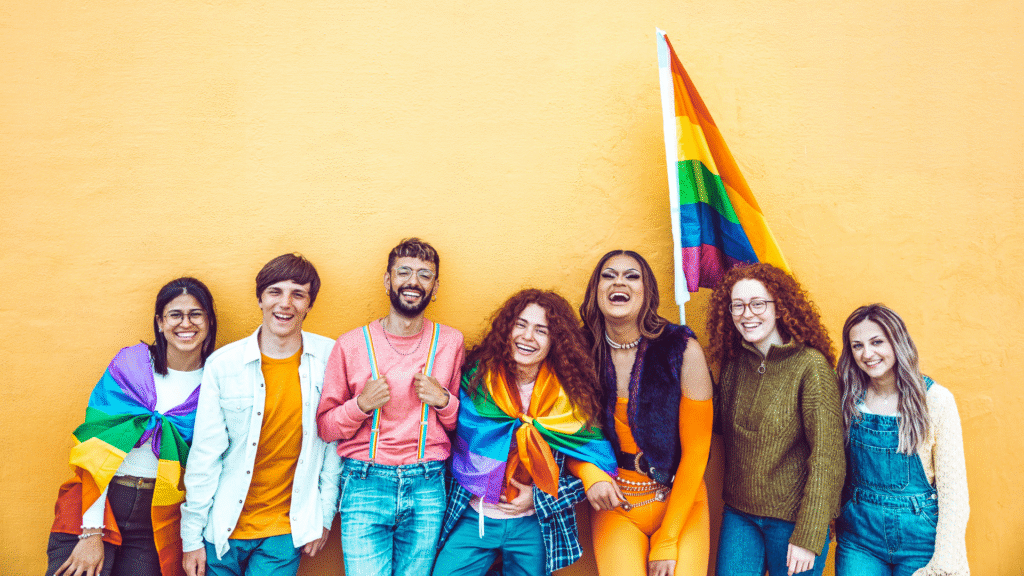
Pride Month serves as a vibrant reminder of the fight for LGBTQ+ rights. Celebrated every June, it honors the history and achievements of the LGBTQ+ community.
Communities organize parades, festivals, and educational events that emphasize inclusivity. These activities foster visibility and connection among members and allies.
Pride Month also highlights the importance of allyship. Allies are encouraged to engage in conversations that promote understanding and support. This event acts as a catalyst for continued dialogue around LGBTQ+ issues, encouraging broader societal acceptance.
Challenges with Heterosexual Relationships in Media
The media often portrays heterosexual relationships as the norm, leading to limited representation of LGBTQ+ relationships. This underrepresentation can create stereotypes and perpetuate misconceptions.
When LGBTQ+ characters are included, their relationships are frequently relegated to side plots. While this is changing, many mainstream narratives still overlook authentic and diverse LGBTQ+ experiences.
Challenges also arise when LGBTQ+ narratives focus exclusively on trauma or struggle. These portrayals can overshadow stories of love, joy, and everyday life. Balancing representation across all relationships highlights the spectrum of human experience, fostering a deeper understanding of LGBTQ+ individuals.